
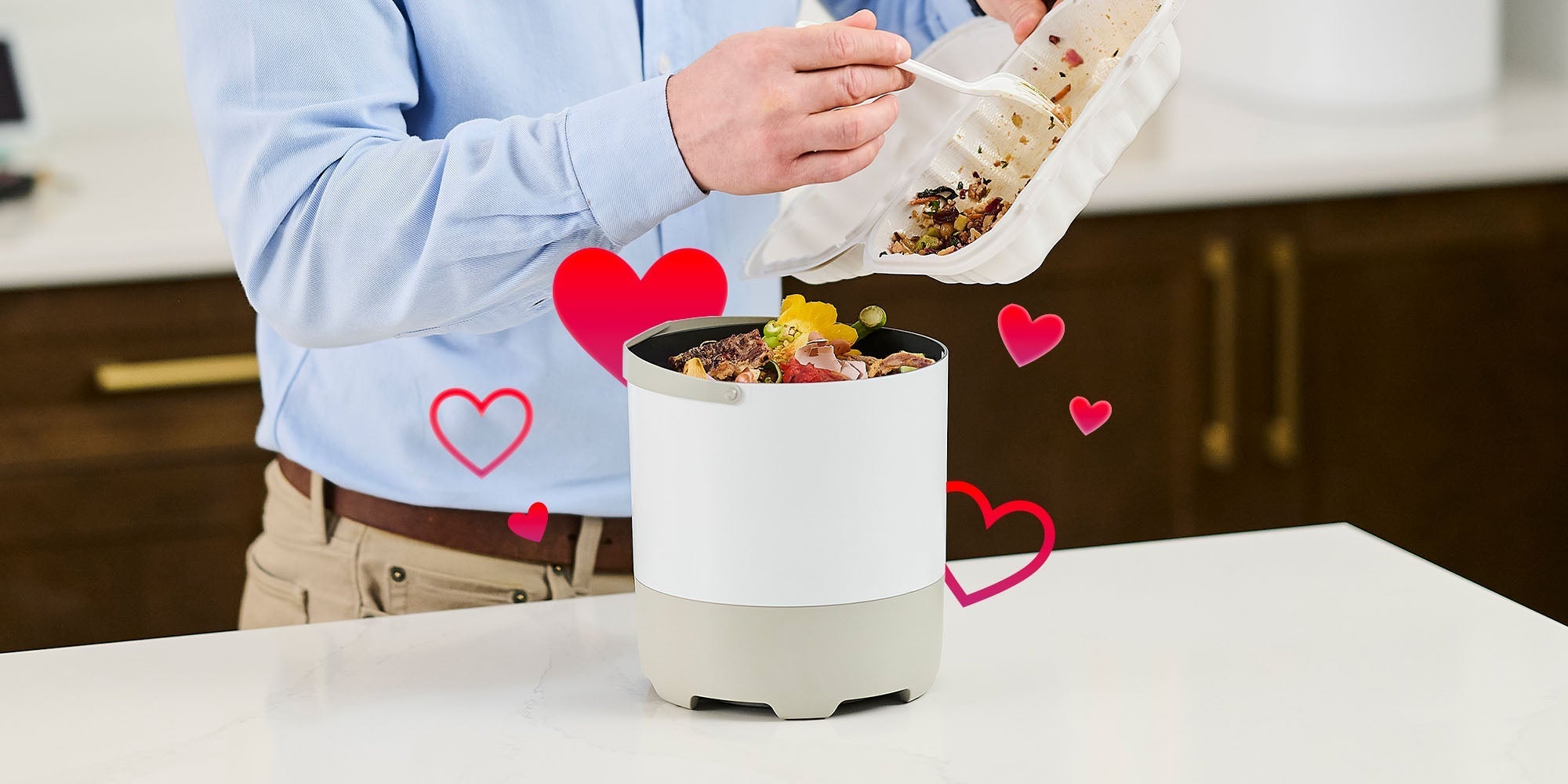
Valentine’s Day is all about love and this year, we’re extending that love to your leftovers. What if understanding the science of spoilage could help you reduce food waste, save money, and keep leftovers delicious and safe so you could enjoy them? Instead of sighing over wilted greens or mystery sauces past their prime, let’s dive into the food science behind spoilage and find out how to keep them fresh longer.
In this post, you’ll learn:
Let’s turn food spoilage from a mystery into a mastery so you can truly love your leftovers.
On the surface, food spoilage might seem like a fridge mystery: one container looks fine, another smells odd. But behind the scenes are natural processes that scientists understand well.
Food can spoil because of:

Bacteria, yeasts, and molds are everywhere: on surfaces, in air, and on food. Some microbes help us make yogurt and sourdough, but others cause spoilage. When conditions are right ie warmth, moisture, and food nearby, microbes multiply rapidly. As they grow, they produce by-products that change a food’s smell, texture, and safety.
Reality Check: You open the fridge and see slimy meat or fuzzy grapes. What you’re really seeing are millions of microbial cells that have multiplied enough to change the food. That’s how spoilage becomes visible.
All fruits and vegetables contain enzymes. These natural catalysts continue to work after produce is harvested, breaking down cell walls and triggering changes like browning in apples or softening in lettuce.
Reality Check: Ever noticed lettuce that was crisp yesterday feels soggy today? That’s enzymes and moisture breaking it down – not necessarily dangerous, just unappealing.
Oxygen reacts with fats and nutrients, leading to rancid smells and dull flavors (think old nuts or brown avocado). Heat and light speed these reactions up.
Reality Check: Your almonds smell “off” even though there’s no mold- that’s oxidation, and although unpalatable, it’s a chemical change you can prevent with better storage.
You’ve seen terms like best before, use by, and sell by. Let’s break them down:
These dates aren’t arbitrary, they’re based on food science that evaluates how quickly quality declines and when spoilage becomes a safety risk.
Reality Check: A yogurt that passes its best before date might still be safe, but always trust smell, texture, and common sense if dates are exceeded.

Now for the good stuff — actionable advice rooted in food science you can use every day.
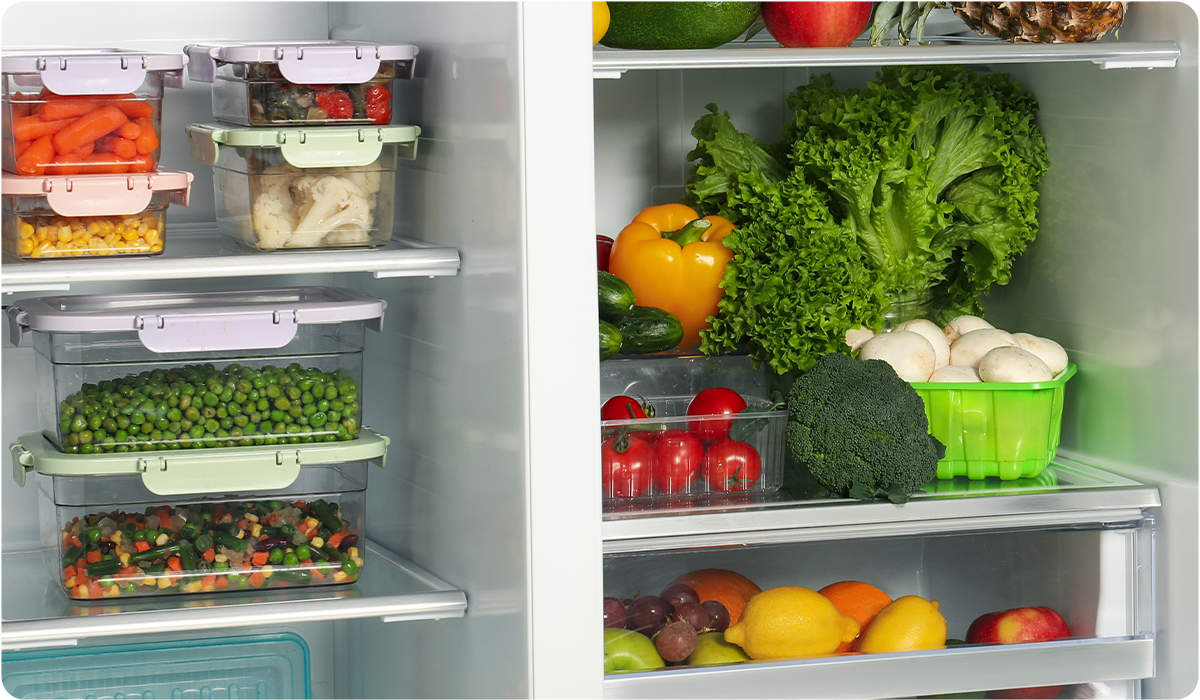
Top Tips:
Cold temperature is your best defense against microbial spoilage. That’s why keeping your fridge consistently cold extends shelf life and reduces food waste.
Pro tip: If in doubt, freeze before quality loss sets in. Many foods (even bread and herbs) freeze well and can be used straight from the freezer.
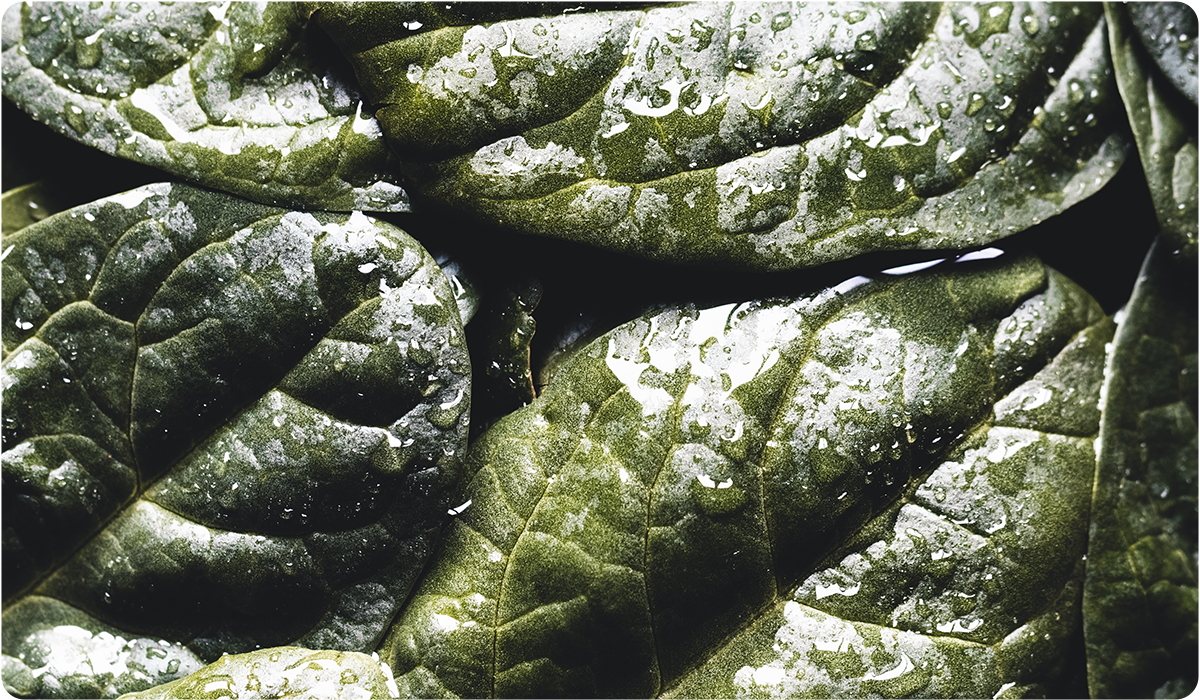
Moisture can make spoilage microbes jump with joy. Too much humidity makes produce soggy; too little makes it wilt. That’s why high-water foods (berries, cut lettuce) spoil fast. Limiting water availability slows microbial growth.
Top Tips:
Balancing humidity in your fridge and pantry is a simple, powerful way to extend freshness.
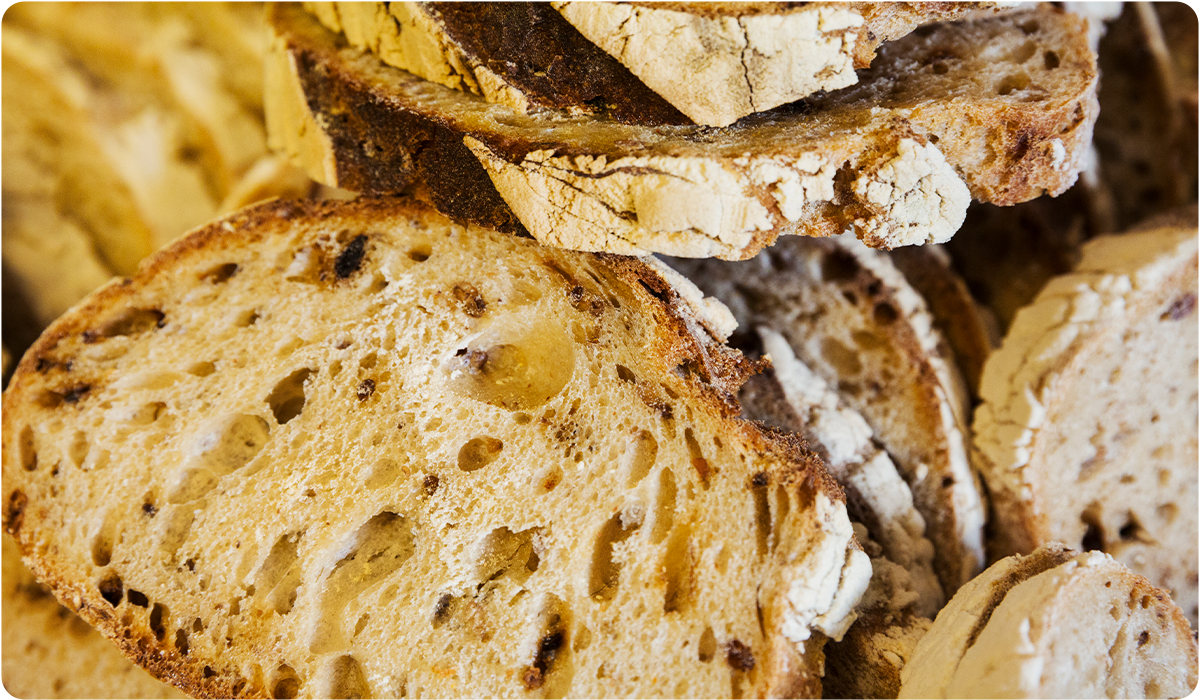
Oxygen fuels oxidation and certain spoilage microbes. Reducing it can help food last.
Top Tips:
Less oxygen exposure slows both rancidity and bacteria, that means your food stays fresher longer.
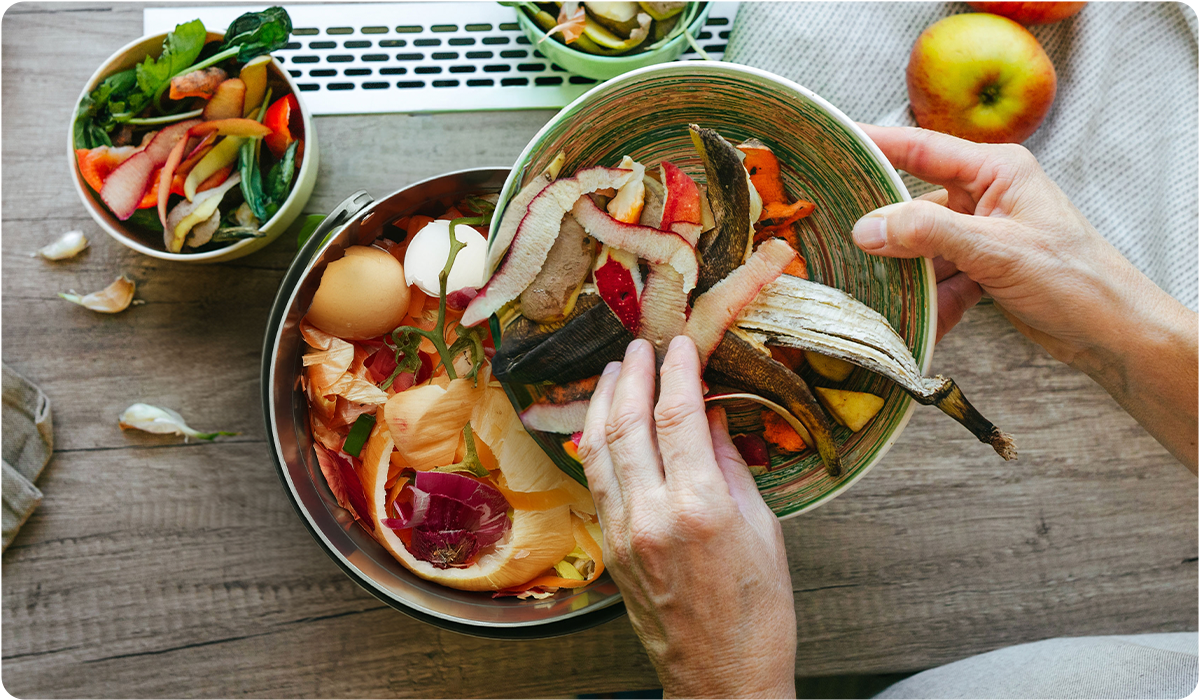
Not all signs of change mean waste. Brown spots, limp leaves, or soft edges often reflect quality loss, not safety issues. You can still use some food types in this condition.
Top Hacks:
Understanding what’s safe but imperfect cuts unnecessary food waste and leads to delicious meals.
A major driver of food waste is uncertainty: “Is this still okay to eat?”Food science gives clarity:
These are food safety standards used in professional kitchens and by public health experts, but they apply at home too.Reality Check: When you understand the why behind guidelines, you waste less food and feel more confident in storing and using leftovers.
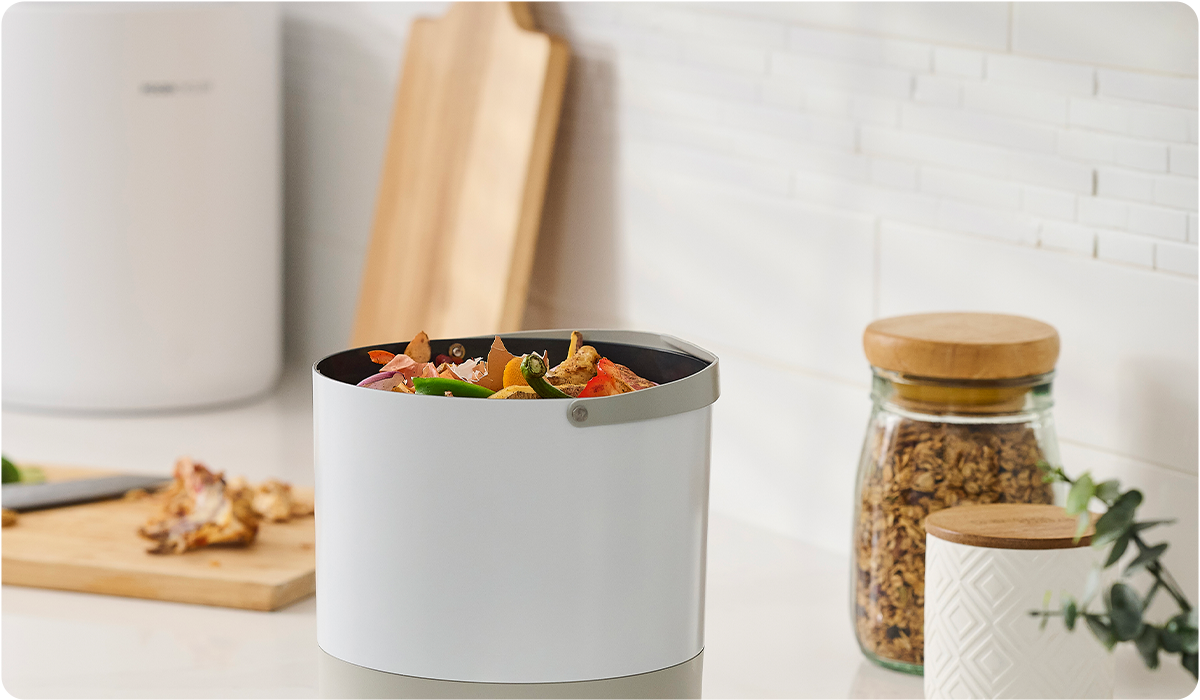
Even with the best storage and planning, scraps add up:
Rather than tossing these in the trash, recycle them quickly using a food waste recycler like FoodCycler.
Made for everyday use in any kitchen, here’s where loving your leftovers meets practical waste reduction.
The FoodCycler:
For many consumers, FoodCycler becomes the tool that completes the waste reduction process: you extend shelf life and use food well, and for what’s truly unusable, you cycle it back responsibly.

Here’s how to put it all together:
Small changes add up to big impact, both for your budget and the planet.
This Valentine’s Day, fall in love with your food all over again, not just when it’s fresh, but throughout its life. When you understand the science of spoilage and pair it with practical habits and tools (like a FoodCycler), you gain:
And that’s a relationship worth celebrating.