
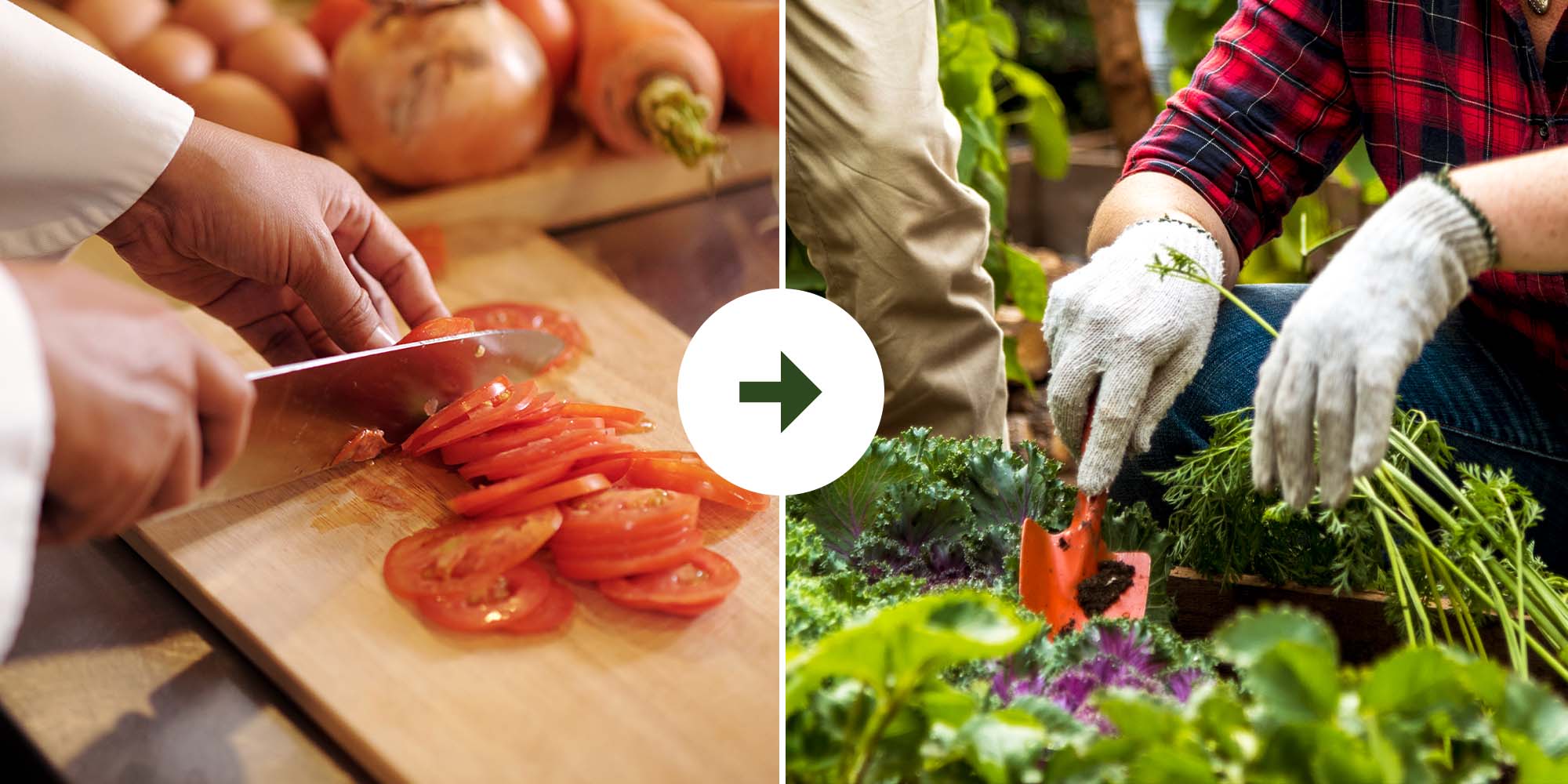
Imagine slicing tomatoes for a salad or pasta sauce. The cores, seeds, and skins are left on the cutting board – small scraps that most people automatically toss in the trash.
But what if those scraps didn’t have to become waste?
Every year, millions of tons of food waste end up in landfills. When organic materials like vegetables decompose in landfill conditions without oxygen, they produce methane, a potent greenhouse gas that contributes to climate change.¹
Yet food scraps still contain valuable nutrients. With the right approach, those nutrients can be returned to the soil instead of lost to the waste stream.
Tomato scraps are a simple example of how kitchen food waste can become something beneficial again.

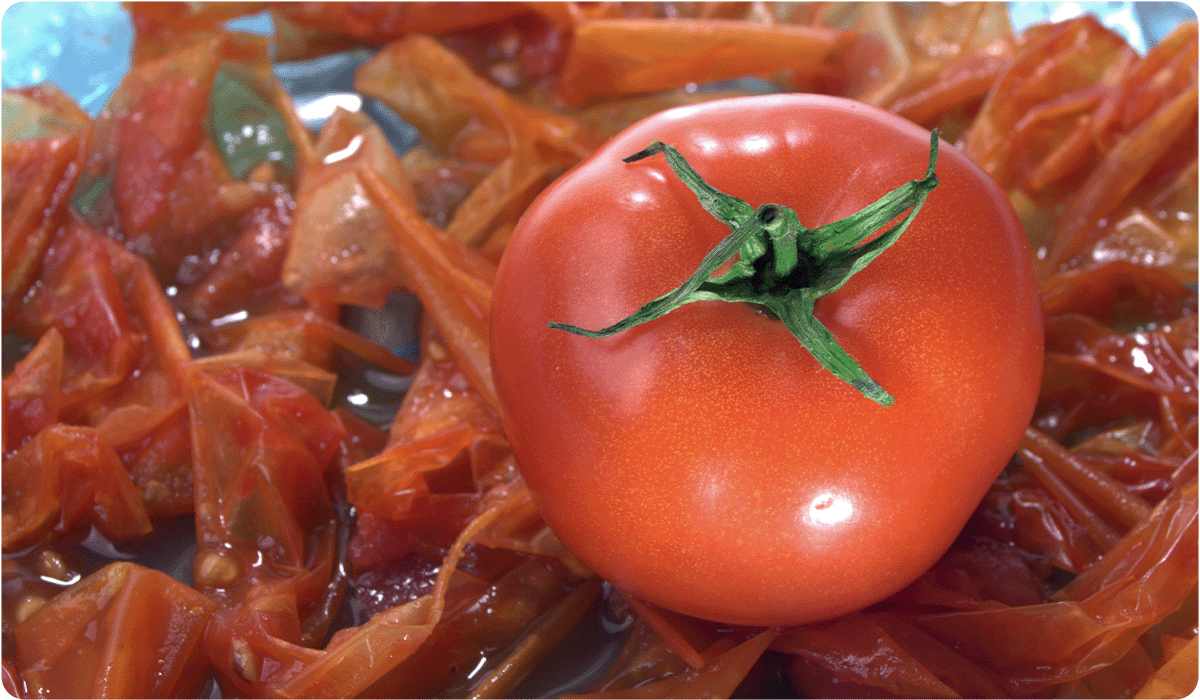
When tomato skins, seeds, and pulp are thrown into the garbage, they typically follow a familiar path:
Inside landfills, organic waste breaks down slowly in low-oxygen environments. This process generates methane as microbes decompose the material.
According to the U.S. Environmental Protection Agency, food waste is the single largest category of material sent to landfill in many regions.²
That means many nutrients originally grown in the soil — including nitrogen, potassium, and organic matter — are effectively removed from the natural cycle.
Instead of returning to the soil, they are lost.
For households looking to divert food scraps from landfill, options like backyard composting, municipal green bins, or in-home food waste recyclers are becoming more common. Systems like FoodCycler® are designed to process food scraps directly in the kitchen, transforming them into a dry by-product that can be returned to soil systems or used as a feedstock for composting.
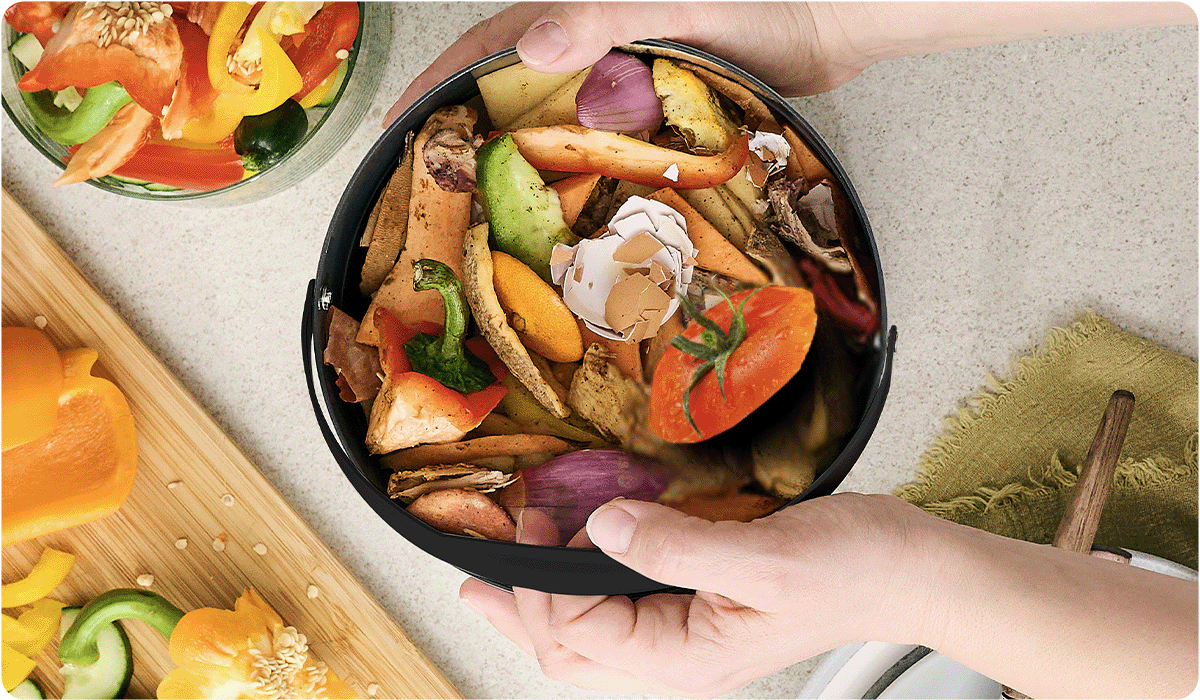
There is another path for tomato scraps, one that keeps those nutrients in circulation.
By processing food scraps through composting systems or food waste recycling appliances, kitchen leftovers can be transformed into a dry soil amendment that can support healthy soil.
This process typically involves three key stages:
The scraps are first broken down into smaller particles. This increases surface area and allows microorganisms or processing systems to work more efficiently.
In natural compost systems, microbes begin decomposing the organic material.
In modern food waste recyclers, grinding and drying cycles accelerate the breakdown.
While traditional composting relies on microorganisms breaking down organic material over time, newer kitchen technologies take a different approach. Appliances such as FoodCycler® use controlled drying and grinding cycles to reduce food scraps and stabilize them quickly, producing a dry output often referred to as FoodilizerTM, a nutrient-rich soil amendment that can be used in gardens or added to compost systems.
Fresh food waste contains a large amount of water – tomatoes themselves are about 95% water.
Removing moisture stabilizes the material and reduces volume significantly.
Many food waste recycling systems reduce food waste volume by up to 90%, creating a dry output that is easier to handle and store.
Once stabilized, the resulting material can be used as a soil amendment or incorporated into compost systems.
This material contains organic matter and nutrients that support soil health, helping improve structure and microbial activity in soil environments.
In other words, what began as tomato scraps can ultimately support new plant growth.
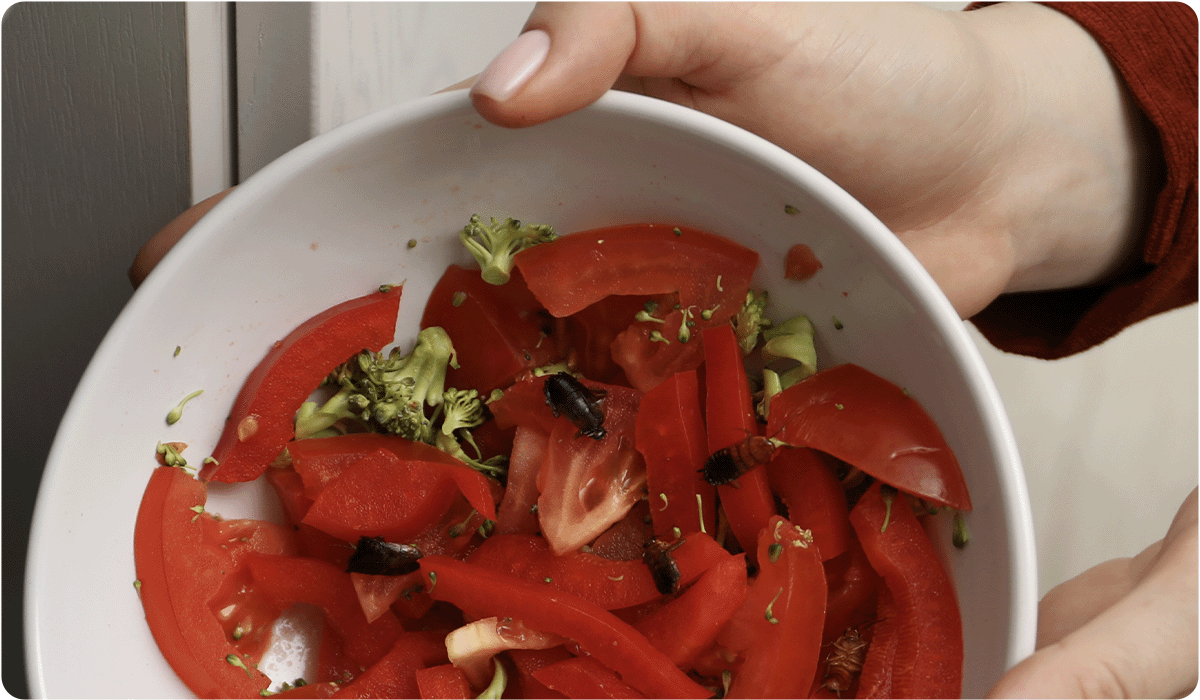
Tomatoes may seem like a small kitchen ingredient, but their scraps contain nutrients that are beneficial for soil ecosystems.
Tomato residues can contribute:
When added to soil systems, these components help maintain the natural nutrient cycle.
Healthy soils rely heavily on organic inputs to maintain fertility and structure. According to soil science research, organic matter supports water retention, improves aeration, and feeds beneficial microorganisms.
Even small contributions from household food scraps can help support these soil systems over time.
Turning tomato scraps into soil amendments does more than reduce garbage. It also helps address one of the biggest environmental challenges associated with food waste.
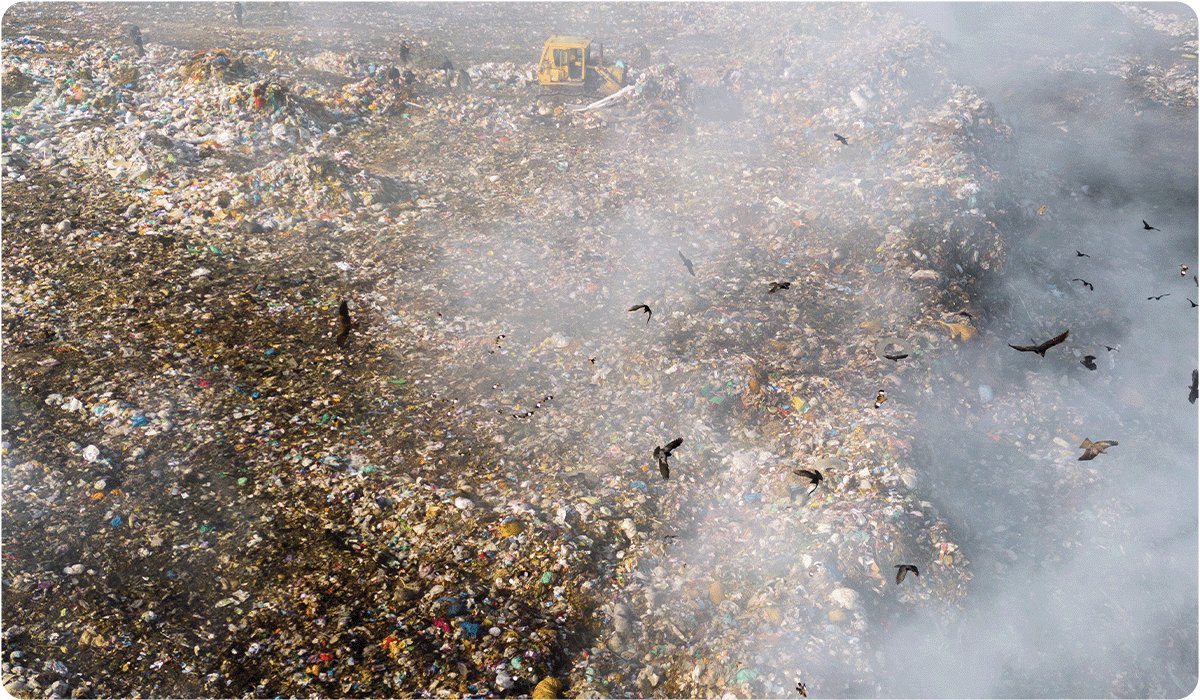
Food waste in landfills generates methane, a greenhouse gas that is significantly more potent than carbon dioxide over a 20-year period⁴. Diverting organic waste away from landfill helps reduce these emissions.
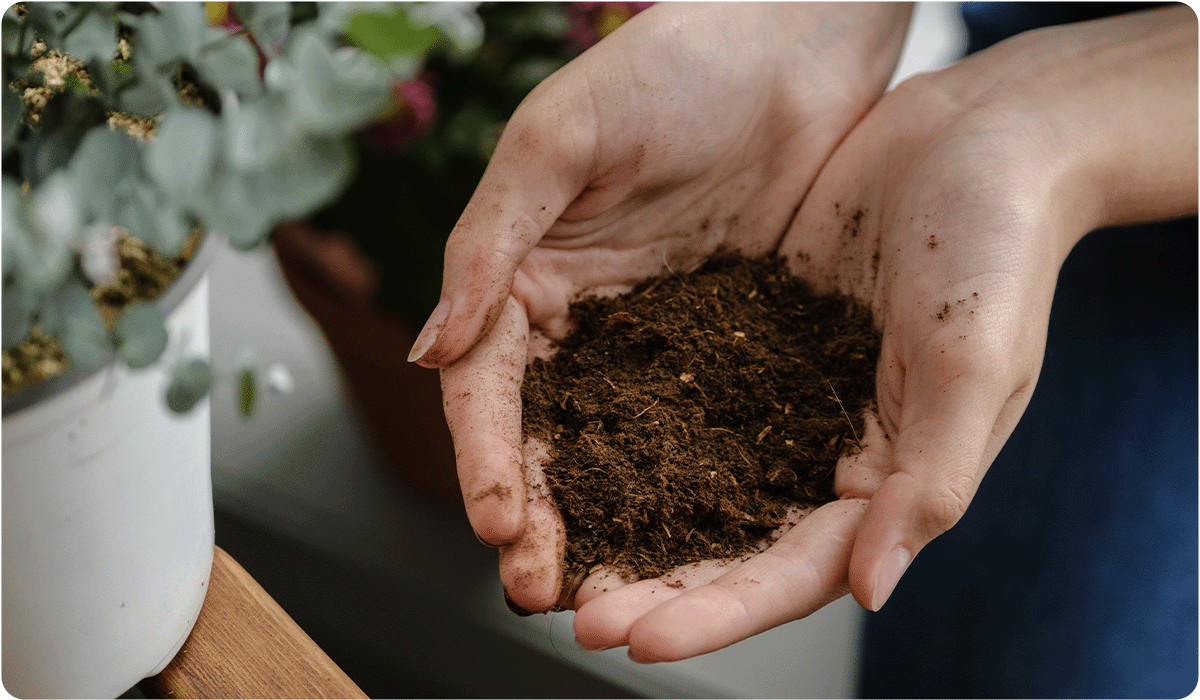
Food waste contains nutrients originally grown in agricultural soils. Returning those nutrients helps maintain the natural nutrient cycle instead of discarding them.
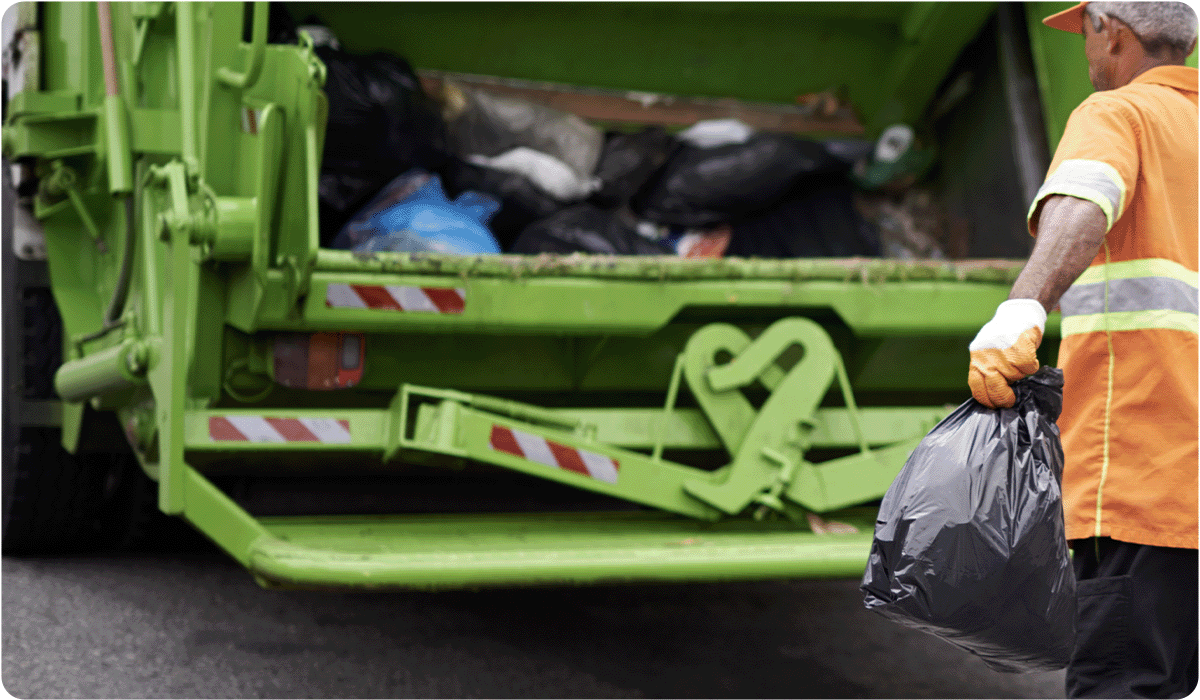
Local food waste processing — whether through composting or in-home recycling — reduces the need to transport organic waste long distances to centralized facilities.
Together, these benefits help create a more circular approach to managing food waste.

Once tomato scraps have been processed into a dry soil amendment or compost input, the final step is returning it to soil.
This can be done in several ways:
The material helps enrich soil with organic matter, supporting the long-term health of soil ecosystems.
In this way, the nutrients originally grown in soil can return to the soil again.
A single tomato core may seem insignificant.
But multiplied across households, small scraps add up quickly.
Globally, roughly one-third of food produced for human consumption is lost or wasted each year.⁵ A significant portion of that waste occurs at the household level.
When households begin diverting even small amounts of food waste – tomato scraps included -the cumulative impact can be meaningful.
Instead of sending nutrients to landfill, they can return to the soil that helps grow our food in the first place.
The next time you slice a tomato, those scraps don’t have to be waste.
They can be part of a simple transformation:
Kitchen scraps → nutrient recycling → healthier soil
Whether through composting systems or modern kitchen food waste recycling appliances, the process keeps organic materials in circulation rather than sending them to landfill.
For many households, managing food scraps used to mean either keeping a compost pile outdoors or sending leftovers to the garbage. Today, a growing number of kitchens are adopting food waste recycling appliances that make the process simpler and more accessible indoors. By processing food scraps right on the countertop, systems like FoodCycler help households divert organic waste while creating a usable soil amendment from everyday kitchen scraps.
And sometimes, it starts with something as small as a tomato core on a cutting board.

1. U.S. Environmental Protection Agency — Basic Information about Landfill Gas https://www.epa.gov/lmop/basic-information-about-landfill-gas
2. U.S. Environmental Protection Agency — Food Waste Facts and Statistics https://www.epa.gov/foodrecoverychallenge/food-waste-facts-and-figures
3. USDA Natural Resources Conservation Service — Soil Organic Matter https://www.nrcs.usda.gov/resources/education-and-teaching-materials/soil-organic-matter
4. UNEP — Food Waste Index Report https://www.unep.org/resources/report/unep-food-waste-index-report
5. FAO — Global Food Loss and Food Waste https://www.fao.org/platform-food-loss-waste/en/