
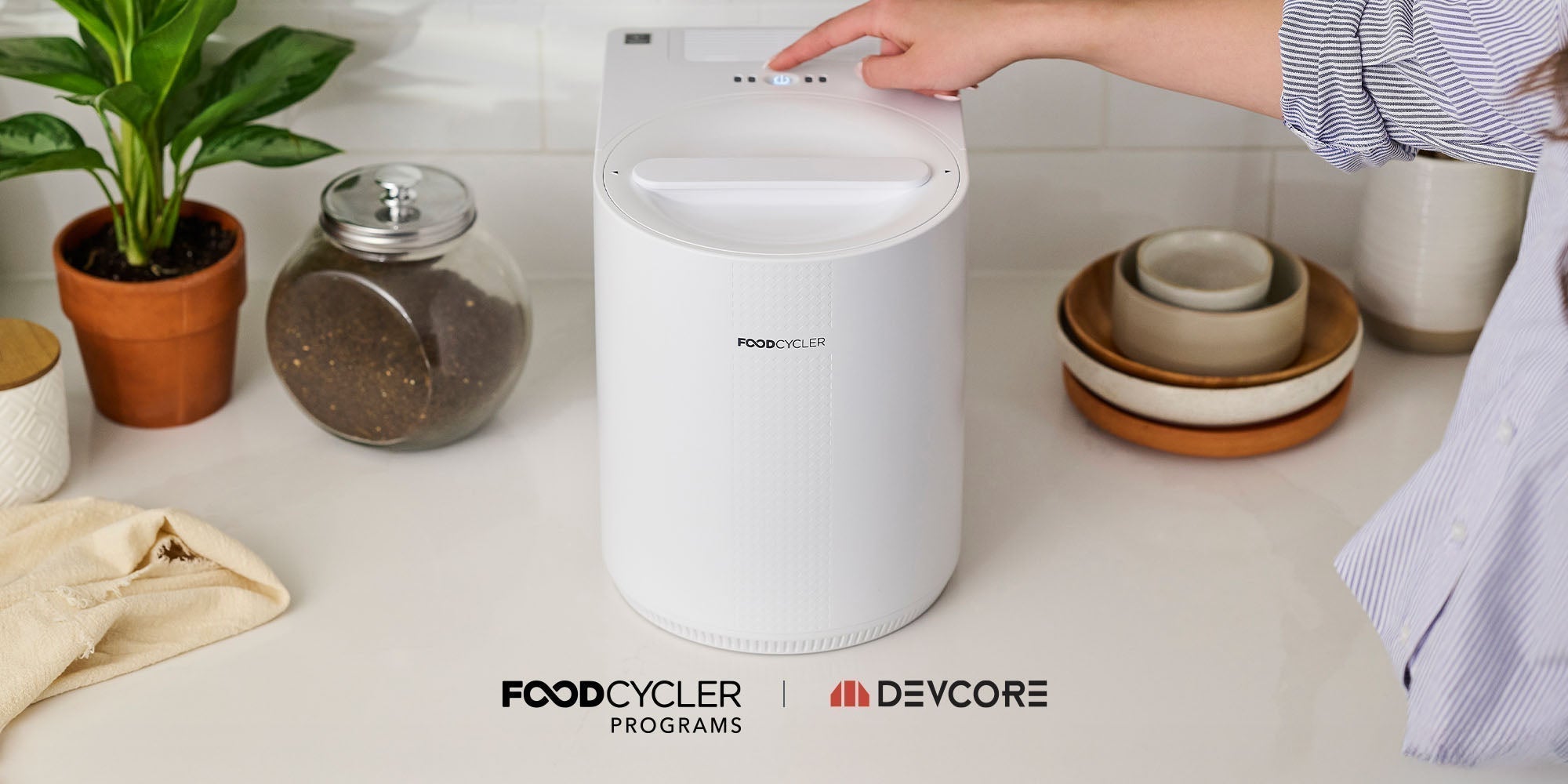
When people think about food waste, they usually picture a single kitchen — a forgotten container in the fridge, wilted greens, leftovers that never quite made it to lunch. But in apartment and condo buildings, food waste isn’t just a household issue. It’s a shared challenge that affects residents, property managers, and entire communities.
That’s what made the FoodCycler X Devcore pilot – in partnership with Nexliving Communities – so interesting. It didn’t just test a product — it tested a new way of thinking about food waste in shared living spaces.
The project was part of FoodCycer Programs – a division of the company focused on helping buildings, schools and communities manage food waste on-site, reduce hauling and contamination and make sustainable habits easier to adopt in everyday life.
In multi-residential buildings, food waste creates unique pain points:
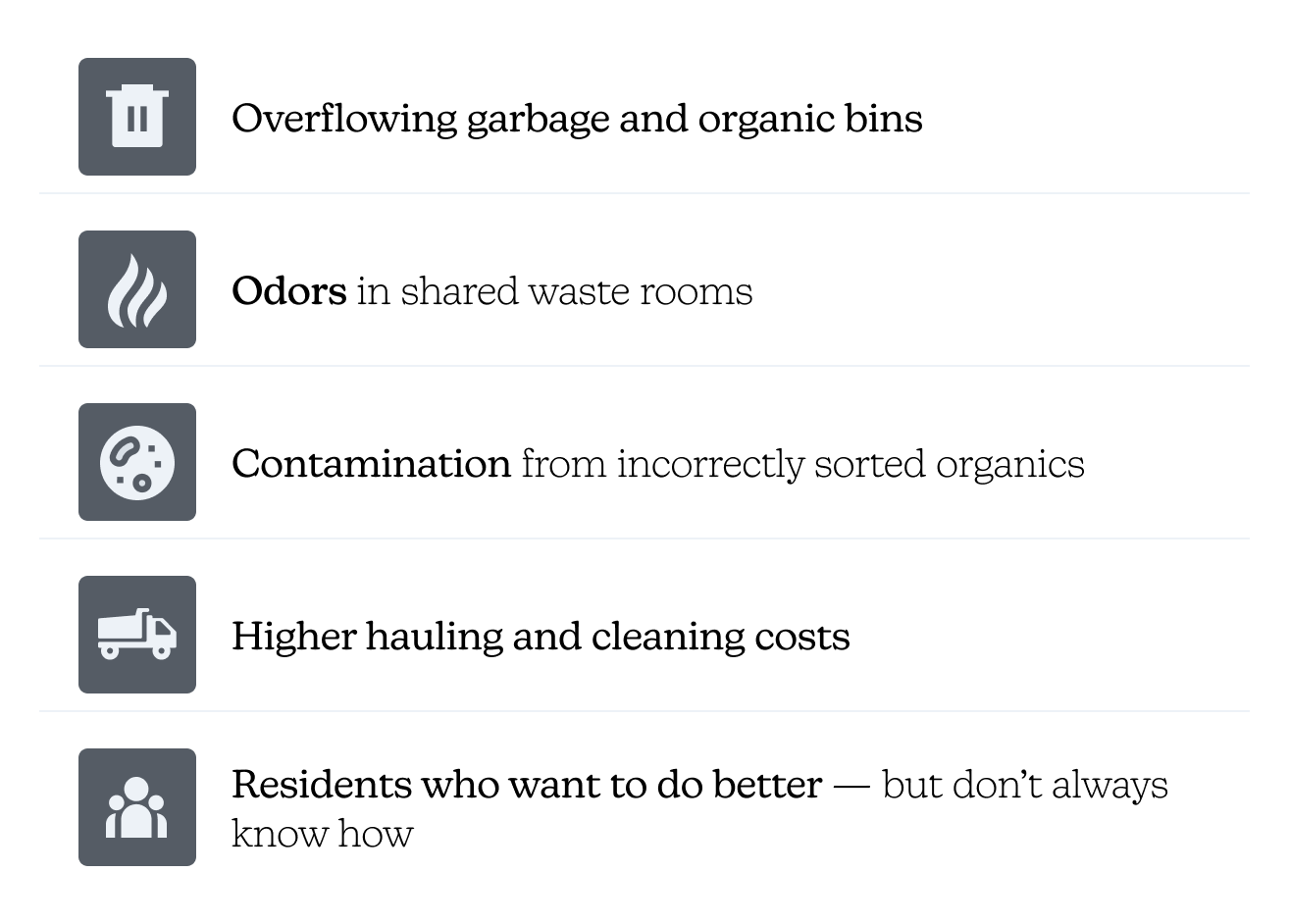
Even well-designed composting programs struggle when systems feel confusing, inconvenient, or unpleasant. When participation drops, everyone feels the impact.
Devcore wanted to try something different: bring food waste management directly into residents’ kitchens.
The Devcore pilot introduced FoodCycler units into every apartment in two of their multi-residential buildings in Quebec. A total of 155 Eco 3 units were installed, mainly in 1–2 person households.
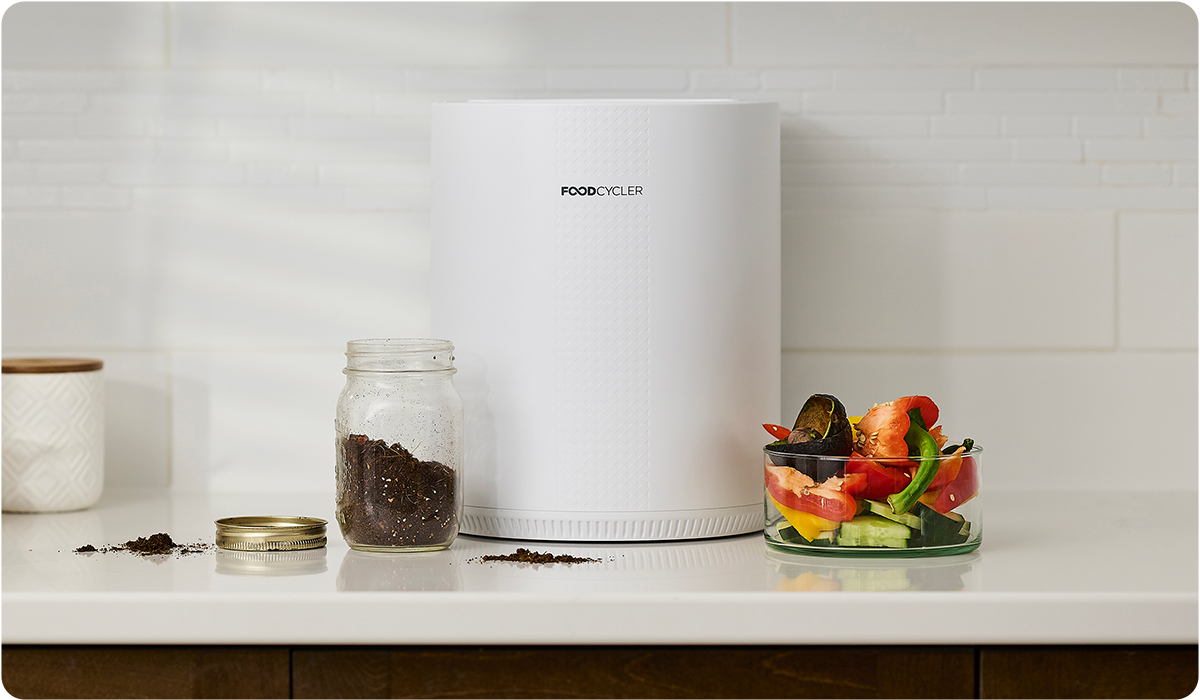
Instead of relying only on centralized organic bins, residents managed food waste at home using FoodCycler — a countertop system that dries and grinds food scraps, reducing their volume by up to 90% and turning them into a clean, shelf-stable by-product.
The goal was simple but ambitious:
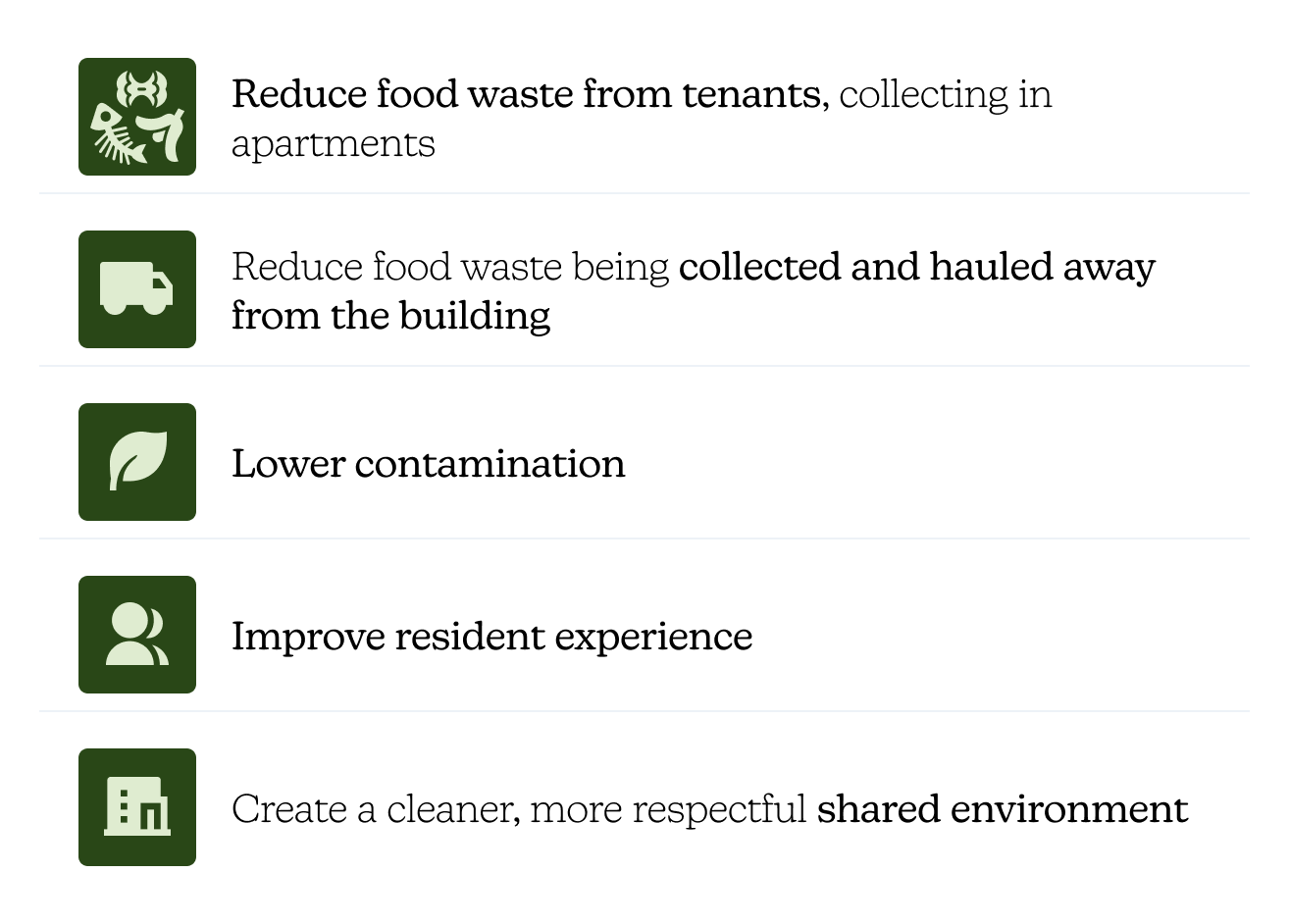
The impact showed up quickly. Before FoodCycler, buildings averaged about three full waste bins per week. After the program, weekly waste dropped by one to one-and-a-half full bins.
Over a year, the results would add up:
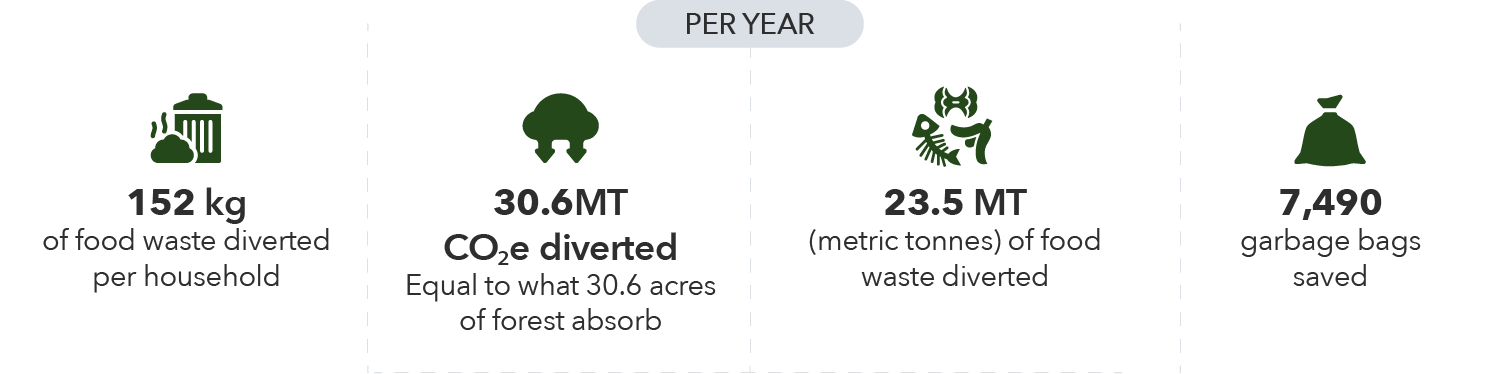
But numbers only tell part of the story.
Residents didn’t just use the system — they embraced it.
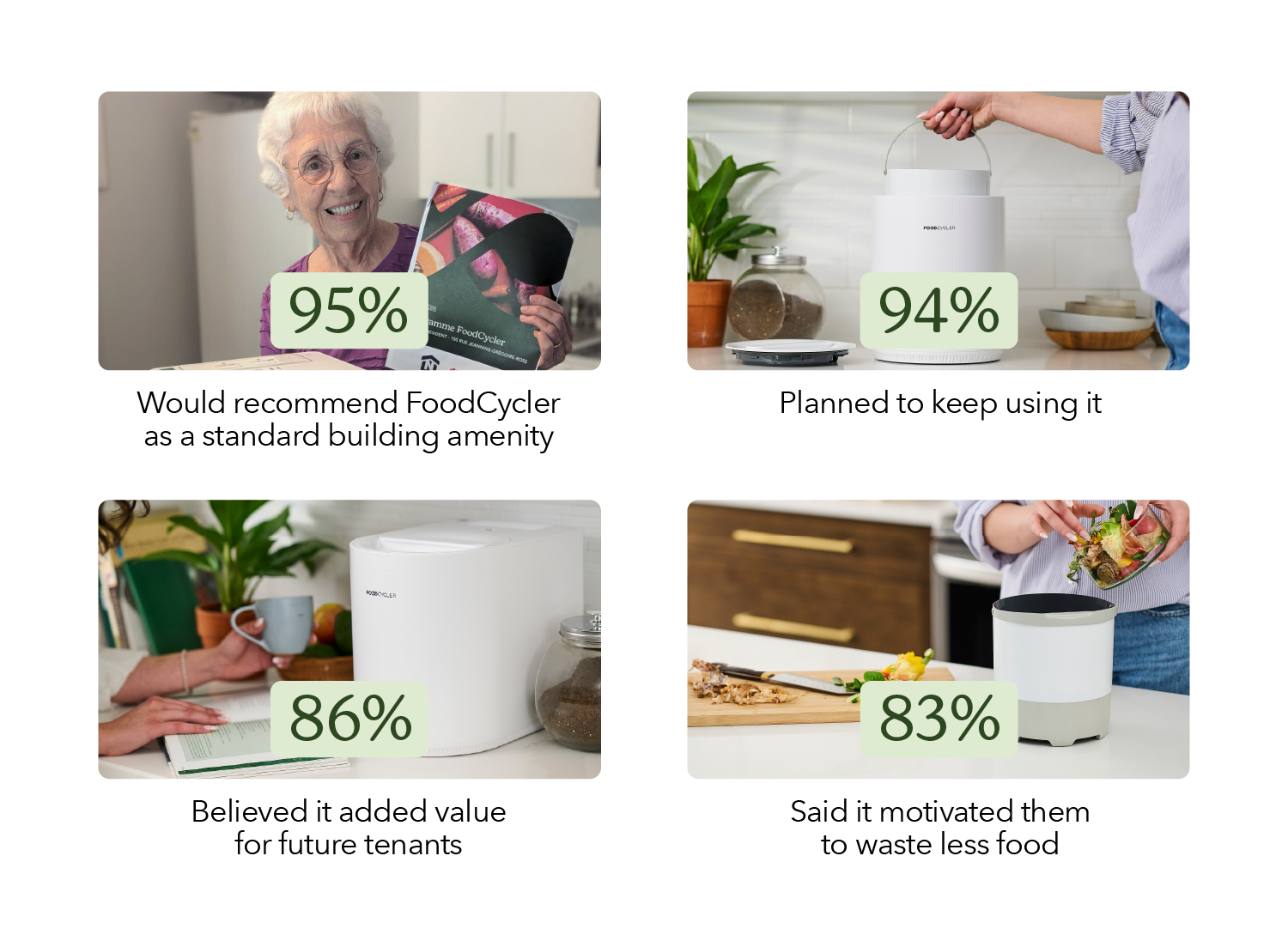
Food waste stopped being something unpleasant that happened “somewhere else.” It became visible, manageable, and even meaningful.
FoodCycler doesn’t just reduce waste — it creates something useful.
The dried, ground material can be reused or collected on-site. In the Devcore pilot:
Food waste became a resource instead of a problem.
For buildings, food waste isn’t just environmental — it’s operational:
Because FoodCycler reduces weight and volume so dramatically at the source, properties can manage waste more efficiently before it enters the buildings’ communal waste infrastructure, avoiding hassles of contamination, associated fees and other operational headaches – allowing for an easier, cleaner and cost-effective solution to handling food waste.
But the biggest shift wasn’t logistical — it was cultural.
When residents manage food waste at home, they see what they waste. They think twice before tossing. They feel part of the solution.
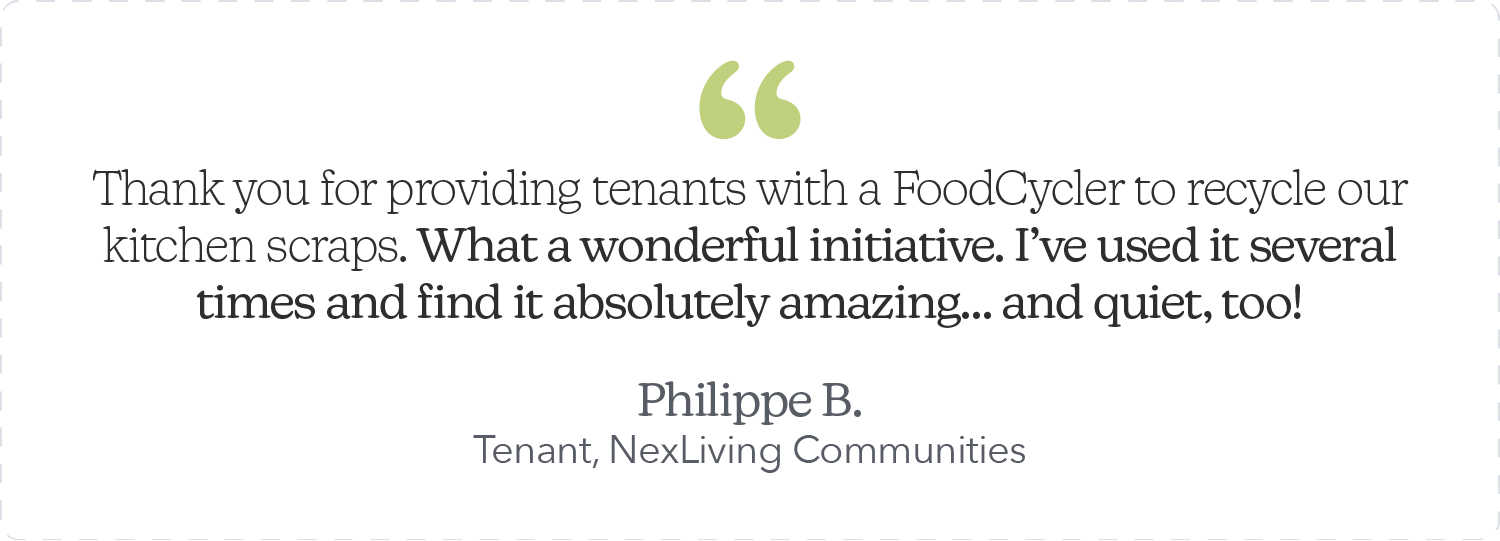
One property manager at Devcore put it simply:
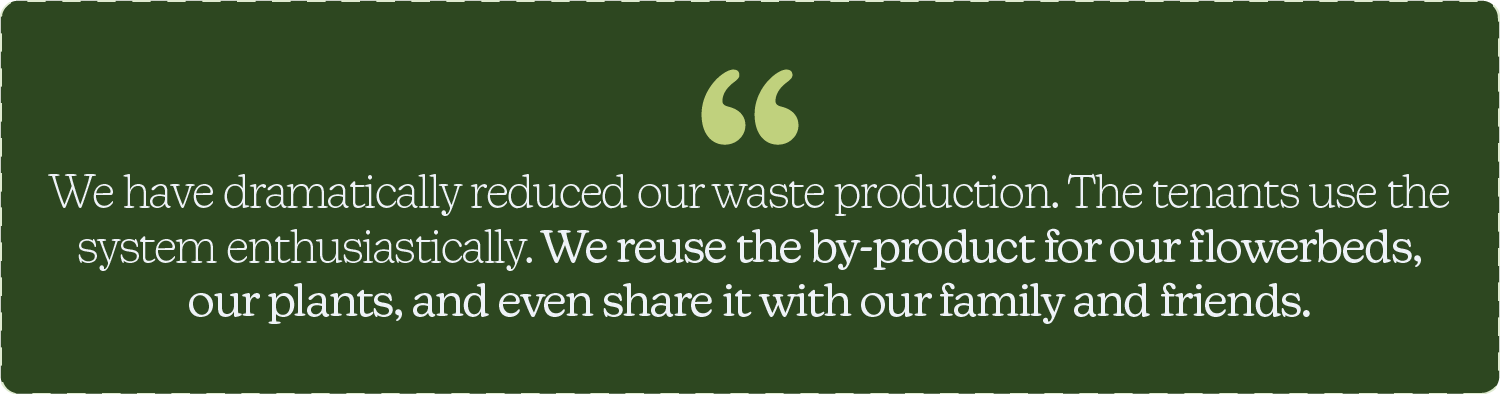
Amenities today aren’t just gyms and lounges. Residents care about:
FoodCycler became more than an appliance — it became a shared value.
For Devcore and NexLiving, the program:
For residents, it meant:
The Devcore pilot showed that food waste doesn’t have to be a hidden problem in multiresidential living. With the right tools and design, it can become cleaner, simpler, and more engaging.
Turning food waste management into a building’s asset by combining innovation and resident engagement, helps reduce the operational pain points historically associated with it and signals a growing expectation that residents are looking for easy, sustainable solutions integrated into their amenities, as a standard.
Sustainability works best when it’s built into everyday life – not added as an afterthought. When communities rethink how they handle food waste, small daily choices start to add up to real change.