Free delivery with device purchase.
Free delivery with device purchase.

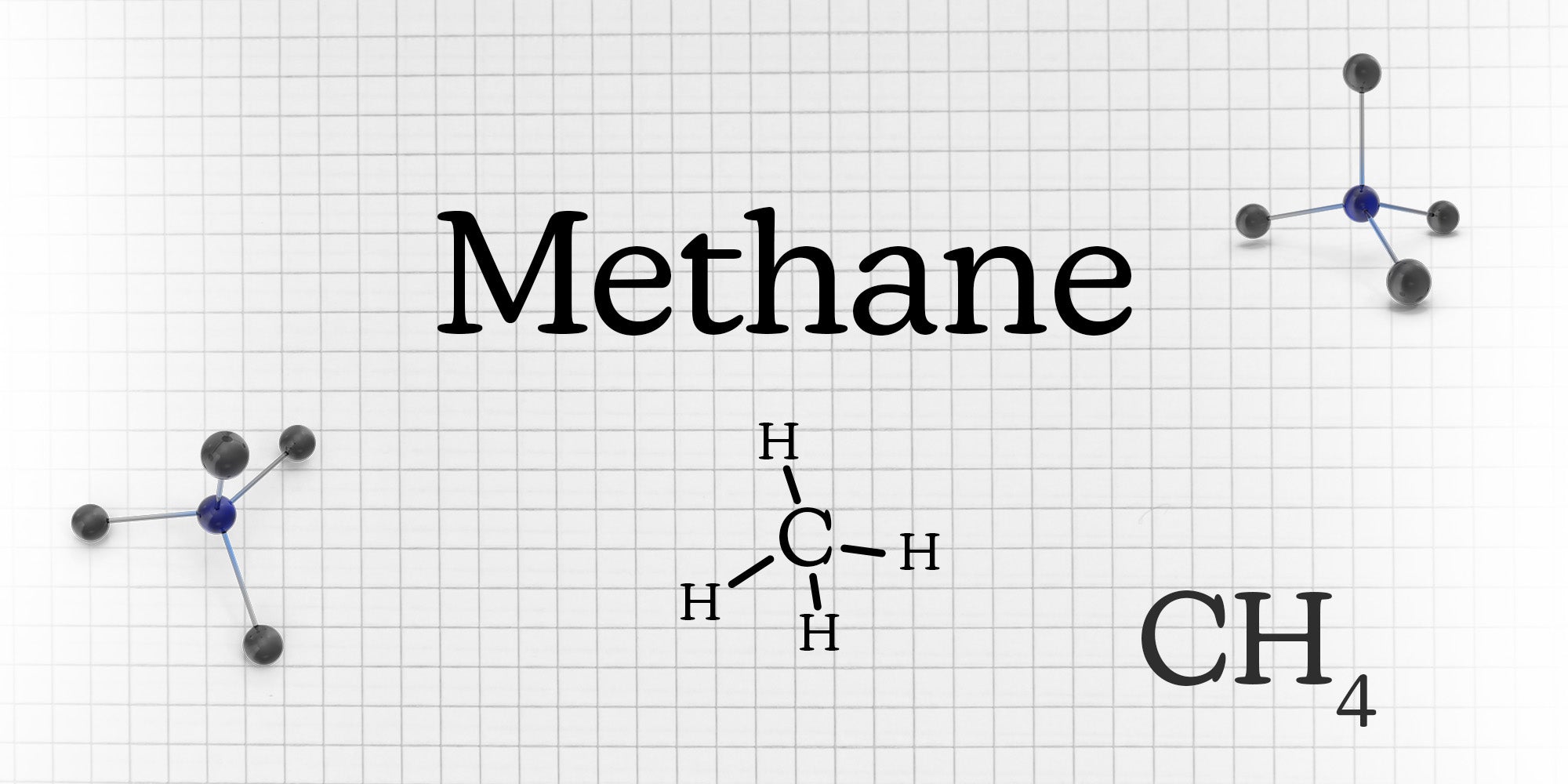
Methane is a vital gas to be aware of. While most of us only know about it in relation to unpleasant odors (though methane is, in fact, odorless), there’s much more to it than its reputation would have you believe.
Why is methane bad for the environment? When it comes to climate change and rising temperatures, methane is 25 times more potent than CO2, and 80 times more potent over a period of 20 years.
Accounting for roughly 30% of global warming since pre-industrial times, methane is proliferating faster than it ever has before.
Methane is the primary contributor to the formation of ground-level ozone, a hazardous air pollutant and greenhouse gas, exposure to which causes 1 million premature deaths every year.
Learn more about what methane is, how it’s bad for the environment, and, most importantly, what you can do to reduce emissions of this harmful greenhouse gas.
Methane is a gas, and each molecule is composed of one carbon atom bonded to four hydrogen atoms. Found in small quantities in the Earth’s atmosphere, methane is one of the simplest hydrocarbons and one of the planet’s most powerful greenhouse gases.
Due to its flammable properties, methane is used as a fuel source. It’s a principal component of natural gas and a potent heat absorber.
Greenhouse gases, especially methane, trap the sun’s heat in the Earth’s atmosphere. Why is methane bad for the environment? The simple answer is in how it traps heat from the sun, causing global average temperatures to rise, which disrupts delicate ecosystems, global weather patterns, and environmental stability as a whole.
Although methane itself isn’t technically toxic to humans, it’s an asphyxiant, which means it can displace oxygen in high concentrations. Methane is indirectly harmful to humans because it’s often released with harmful pollutants, like chemicals and other greenhouse gases.
The methane in our atmosphere is both human-made and natural, produced by a wide variety of processes.
What is methane caused by? Around 60% of the world’s methane emissions are human-created, the majority coming from agriculture, waste disposal, and fossil fuel production.
Right now, we’re producing more of this gas than ever before. But if it’s so natural, why is methane so bad for the environment?

With 80 times the warming power of carbon dioxide over 20 years, pumping so much methane into the atmosphere is exacerbating the climate crisis.
Due to its heat-conducting and insulating properties, this greenhouse gas traps warmth instead of releasing it and raises the Earth’s natural temperature.
The reason why methane is bad for the environment is because it is contributing to extreme weather conditions:
What is methane doing to the planet? It’s rapidly making Earth incompatible with life.
The impact of these consequences on biodiversity and communities worldwide is immense.
To put it mildly: the impacts of climate change are incredibly worrying and are caused in part by methane gas in the atmosphere. How and why is methane bad for the environment? Methane is harmful because it’s being pumped into the atmosphere at an unsustainable rate.
Aside from the agricultural contribution, food waste in landfills is one of the largest producers of methane released into the atmosphere. If you’re yet to familiarize yourself with the food waste crisis, it’s time to get your food waste facts straight.
When food waste hits the landfill, it doesn’t just disappear or even break down safely. It releases methane during decomposition. You know why methane is bad for the environment, but did you know that throwing away leftovers and scraps is actively contributing to climate change?
When food arrives in landfills, it begins to decompose. Methane is a byproduct of that journey. It gets pumped into the atmosphere in droves by super dumps all over the planet. The food waste crisis is a significant contributor to climate change.

While methane emissions are primarily a systemic problem to be tackled by leading governments around the globe, there are personal changes that can make a difference.
Understanding why and how methane is bad for the environment is the first step. Here’s what you can do to be part of the solution:
Since fossil fuels are a big contributor to the methane problem, using and supporting renewable energy can have a hugely positive impact. Switch to a renewable energy provider or use less gas and electricity around the home to reduce your emissions.
Did you know that one of the major causes of the food waste crisis is poor planning and overbuying? When shoppers buy too much from the store, this food usually ends up in our already overflowing landfills.
By thinking more carefully about what you buy and wasting less food, you can reduce your individual methane impact.
To reduce your methane emissions further, why not consider recycling your food waste? The FoodCycler kitchen food waste recycler is a composting alternative that allows you to safely dispose of food scraps from the comfort of your kitchen.
Why is methane bad for the environment? Because there aren’t enough proactive households. We know that methane is harmful, and we know what methane is doing. It’s up to all of us to stop the cycle of throwing away food scraps that turn into greenhouse gases.
FoodCycler is a premium kitchen appliance that doesn’t produce any foul odors, slots seamlessly into your space, and even creates an organic, nutrient-rich soil amendment, Foodilizer®, you can use to support your plants’ growth.
Methane can seem like a pretty complicated subject, but the science really is simple. When it comes to fighting climate change, it’s certainly something we all need to become more aware of.
Keep learning, cut down your impact, and make a difference. There’s still time to save our planet.