Free delivery with device purchase.
Free delivery with device purchase.

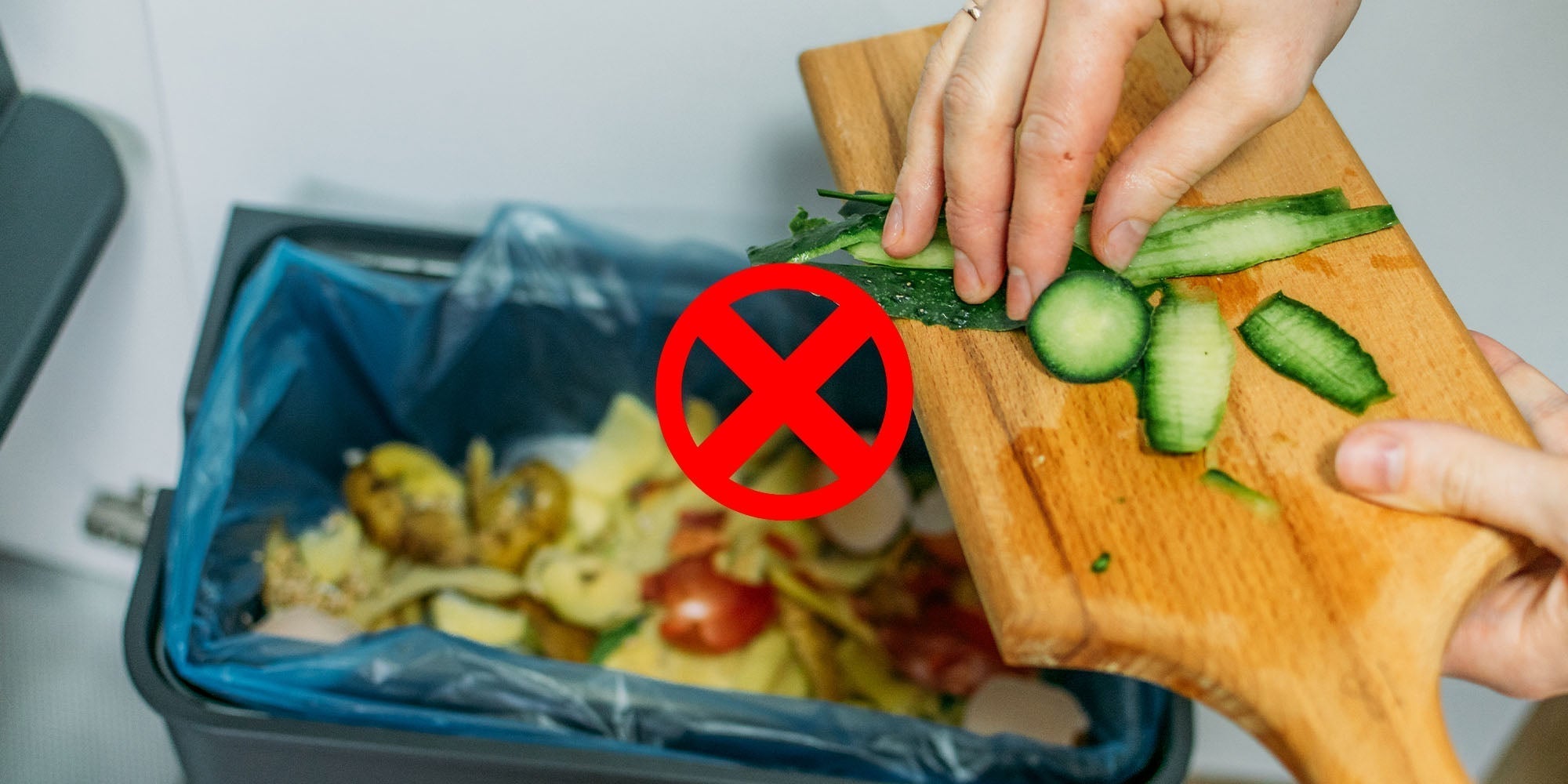
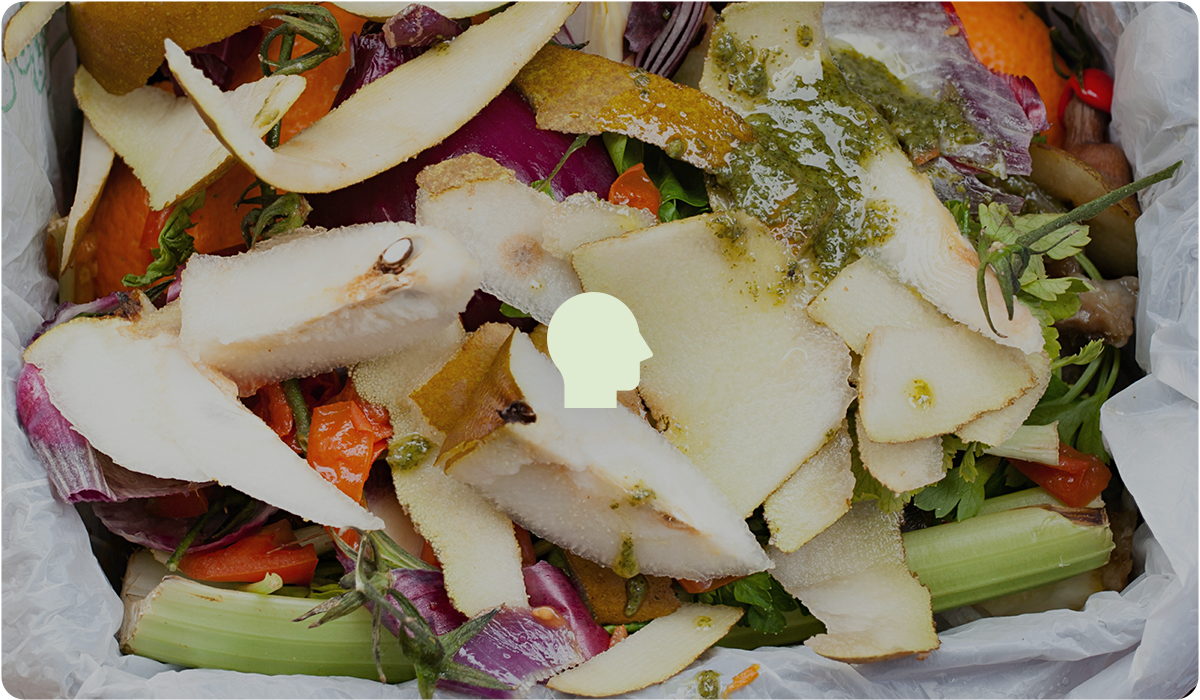
If your garbage bin is constantly filling with coffee grounds, veggie peels, stale bread, and last night’s leftovers, you’re not alone. For decades, the default method has been simple: toss it in the trash, bag it up, and take it outside.
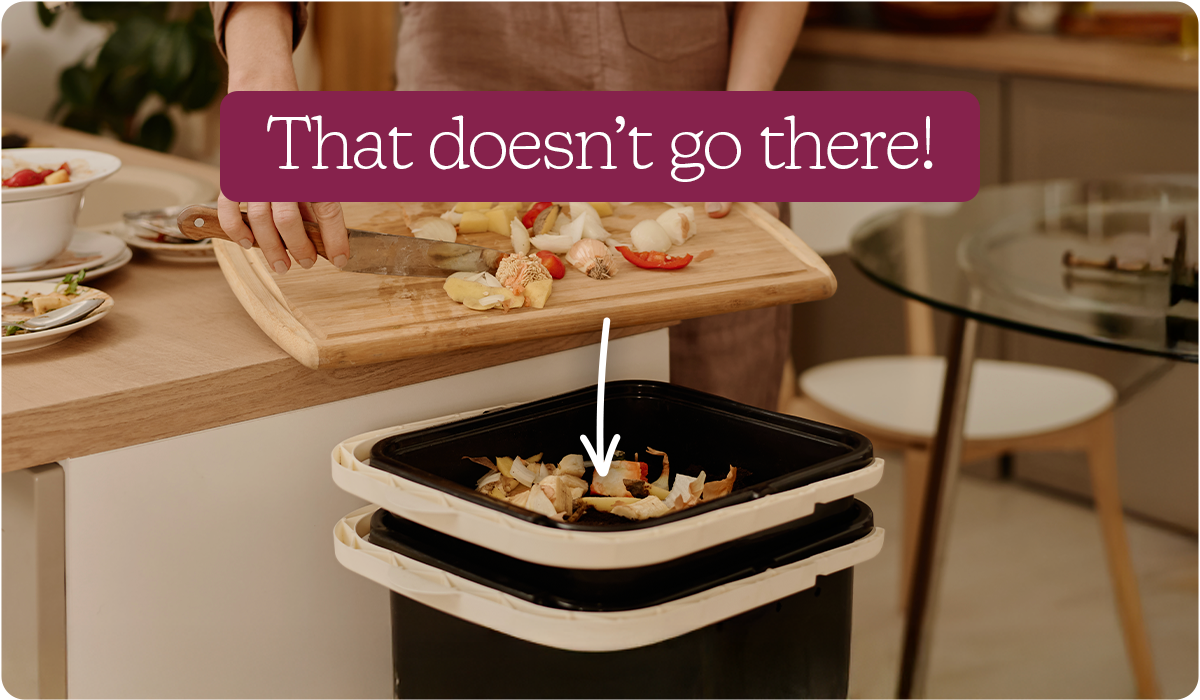
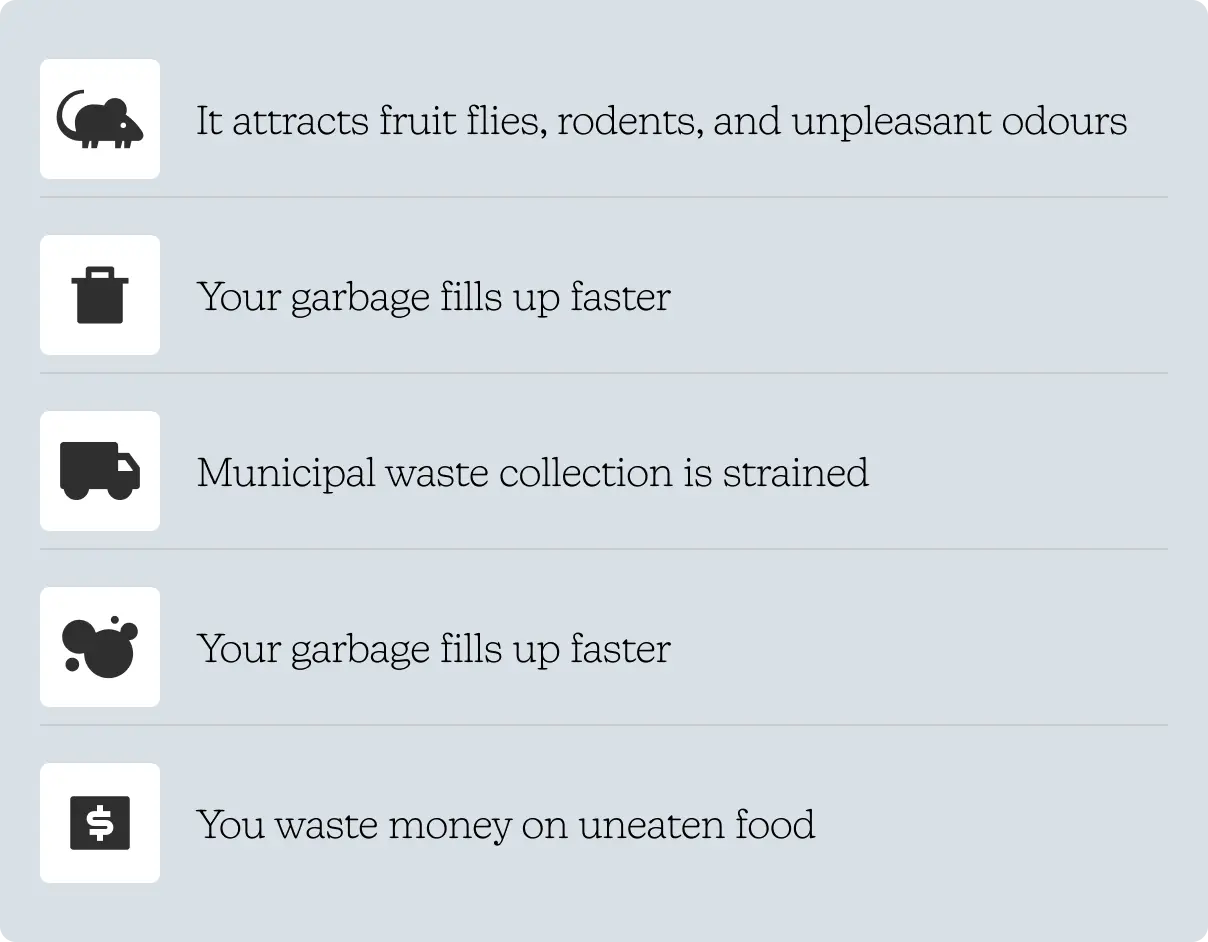
The problem? This habit is outdated and harmful. Organic waste in landfills decomposes without oxygen, producing methane gas, 25 times more potent than carbon dioxide. Alongside fruit flies, overflowing garbage bags, and lingering odours, this “out of sight, out of mind” approach costs us money and harms the planet.
Reducing kitchen waste doesn’t mean overhauling your lifestyle overnight. Instead, it’s about making small, consistent habit changes, supported by the right tools—like a food waste recycling machine—that make a measurable difference over time.
Let’s be honest—most of us were never taught what else to do with food scraps. Whether it’s banana peels, coffee grounds, or stale pasta, the answer was almost always “throw it away.”
Here’s why that approach doesn’t work anymore:
Almost half of all food waste in the U.S. comes from households, adding up to about 257 pounds per person each year (Source: NRDC – Food Waste 101). That’s a huge amount we can handle differently.
While composting can be a great option, it’s not practical for everyone. Apartment dwellers, those with small kitchens, or people without outdoor space often find composting impractical. That’s where a modern solution comes in.
A food waste recycler is a kitchen appliance that transforms everyday food scraps into a dry, nutrient-rich material you can reuse or compost – right at home. Similar to a small kitchen composter, the FoodCycler® is designed for countertop use and helps you manage kitchen scraps quickly and cleanly; while not a composter in the traditional sense, it uses a different, faster process to recycle food waste.
Here’s how the FoodCycler works:
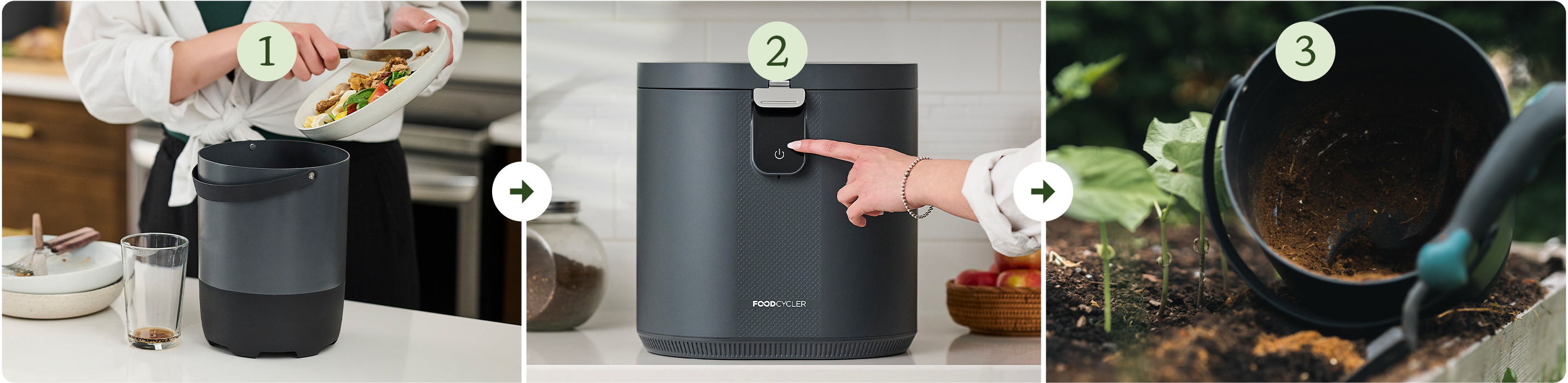
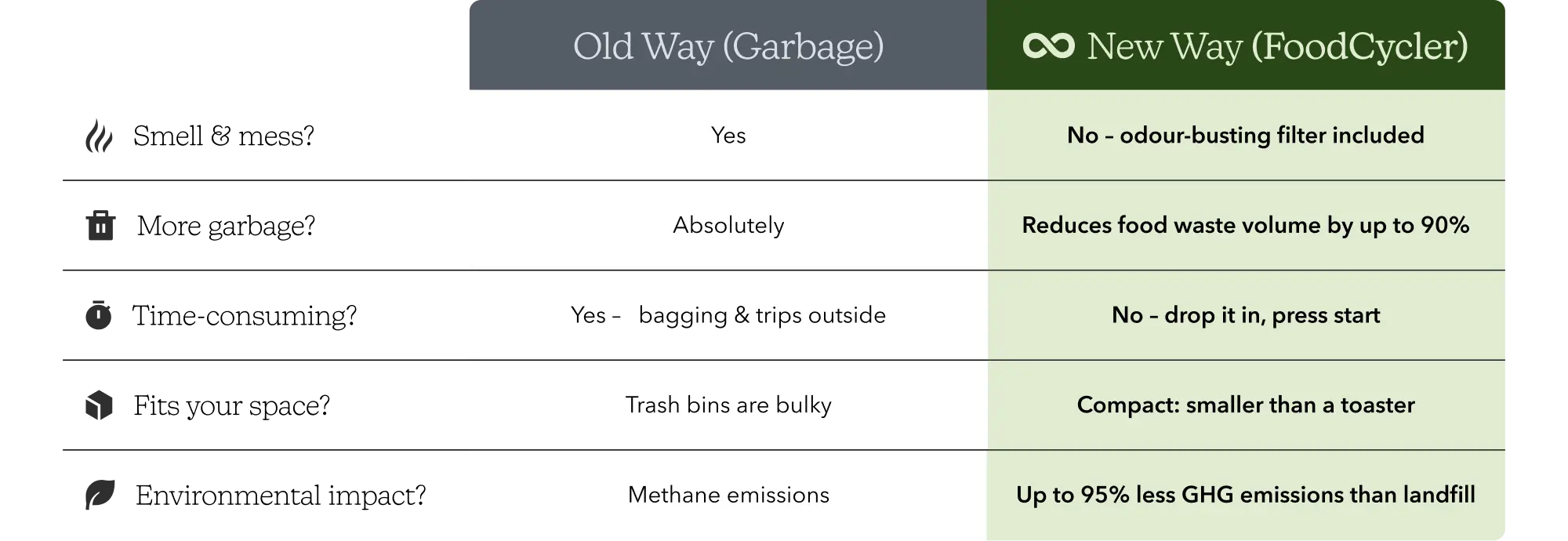
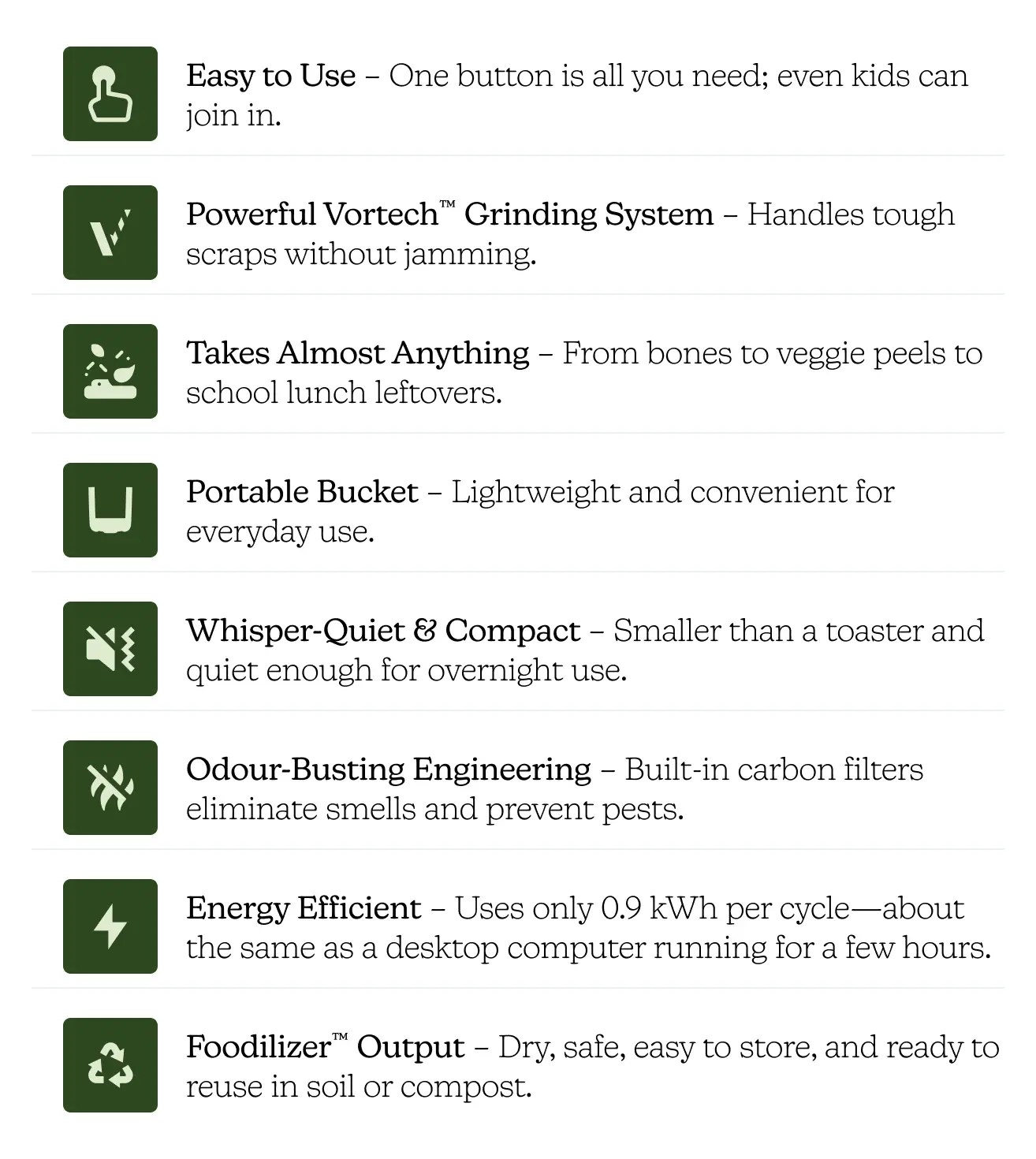

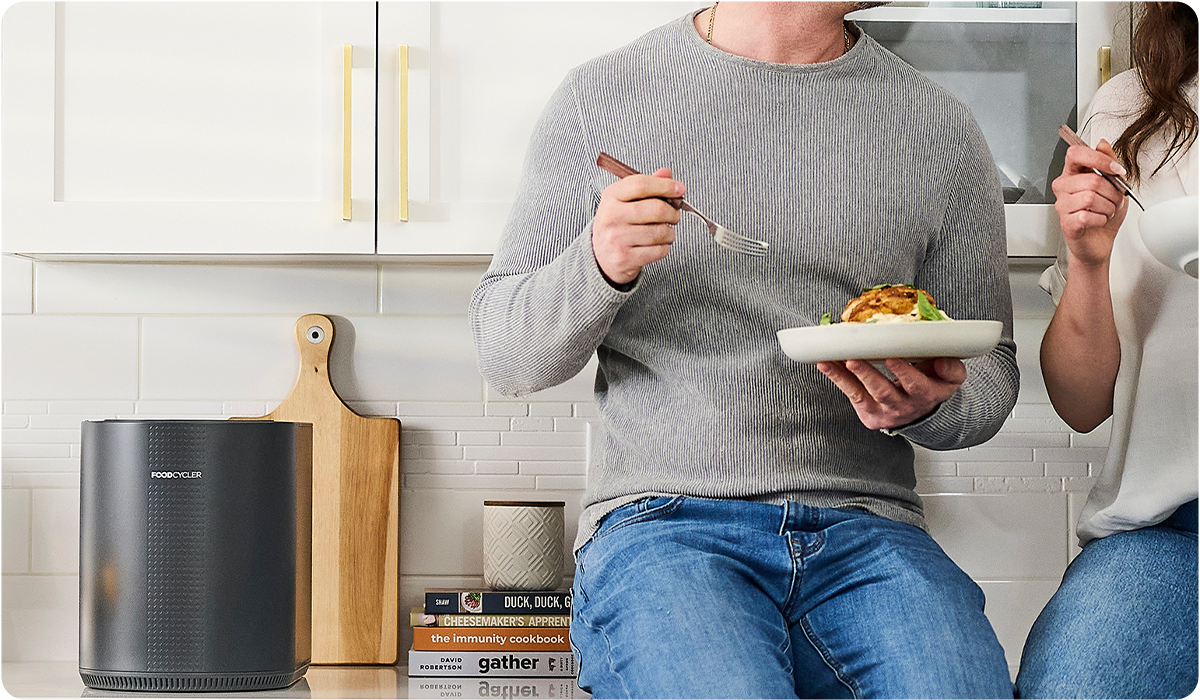
From busy households to urban apartments, FoodCycler modernizes and simplifies how food waste is handled.
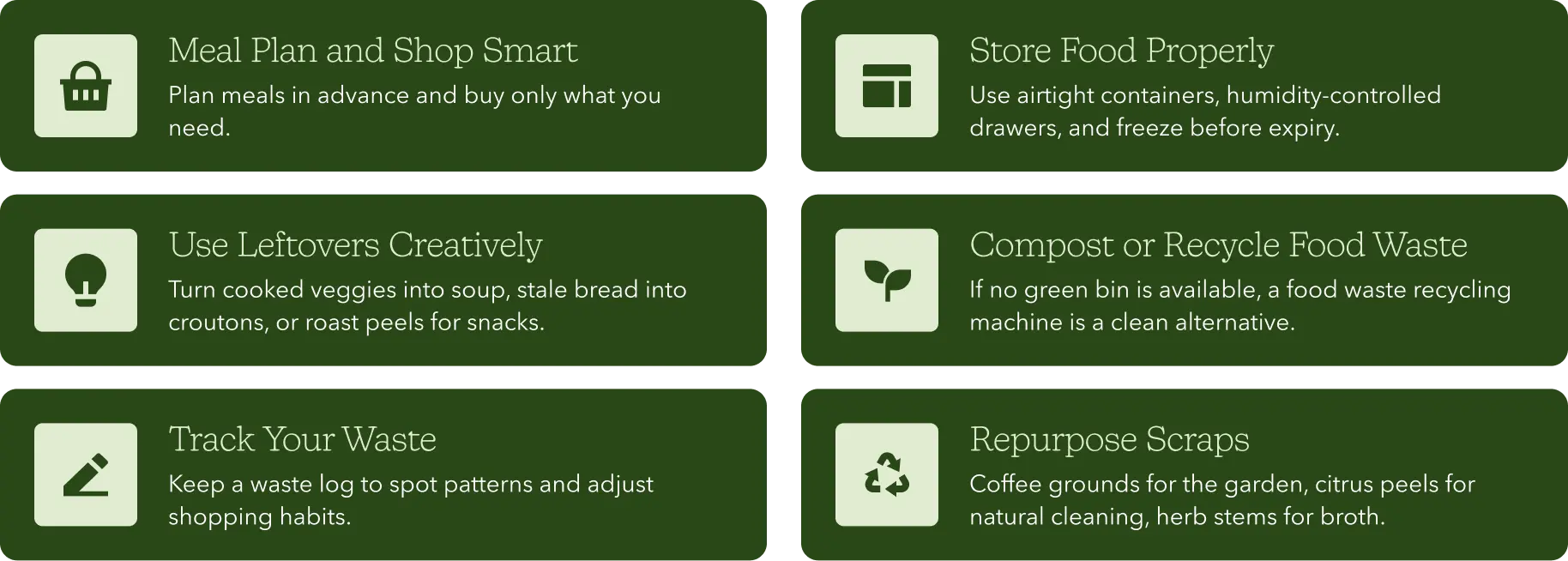
Kitchen waste reduction is about progress over perfection. Here are practical steps you can start today:

Food waste doesn’t belong in your garbage bin, down the drain, or sitting in a smelly pail.
Reducing kitchen waste is about making steady changes—every small improvement adds up. By introducing a food waste recycling machine into your routine, you’re not just cutting down on mess—you’re helping reduce greenhouse gas emissions and protecting our environment.
The FoodCycler isn’t just another appliance — it’s a modern food waste solution for cleaner living, smarter waste management, and real progress toward sustainability.
¹In Canada, food waste constitutes at least 35 per cent of a typical household’s trash.