Free delivery with device purchase.
Free delivery with device purchase.

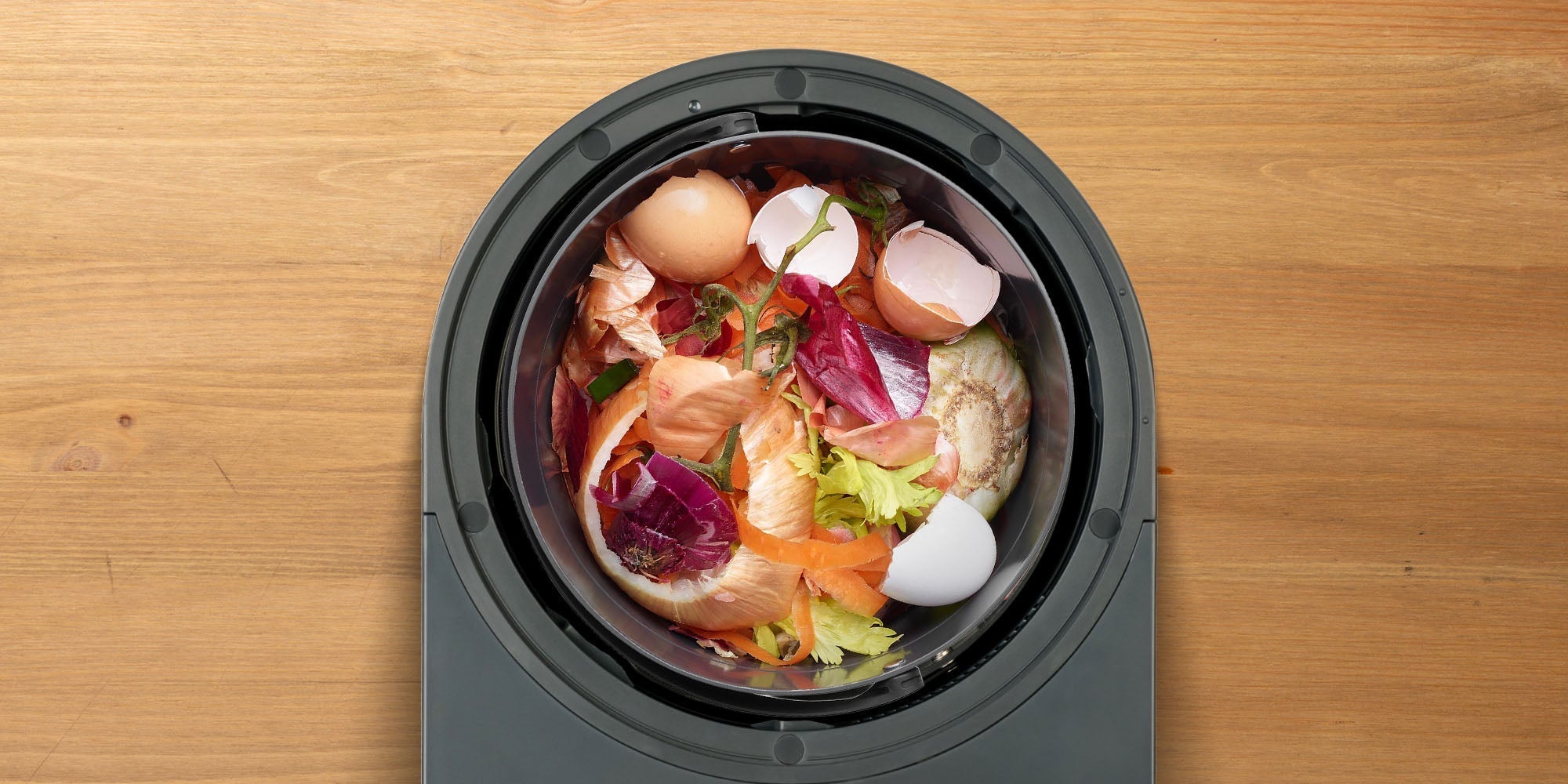
Here’s a confession: most of us don’t think about food waste until we’re scraping plates or cleaning out the fridge. The expectation? It’s just another hassle to deal with—smelly garbage bags, fruit flies hovering, and a rush to get the trash to the curb before things get unbearable.
But what if those scraps could deliver something totally different—something you’d never expect from your waste? Imagine fewer garbage bags, no more bin stink, and even a thriving garden, all starting with the food you’d normally toss away.
That’s the power of the Foodcycler. It flips the script on food waste, turning what feels like a problem into a set of surprising daily wins. Let’s explore the secret benefits hiding in your scraps—and why food waste recycling is not what you were expecting.

Food waste has a perception problem. Most people see it as messy, inconvenient, and smelly. We shove it in garbage bags or hope a backyard compost bin will handle it, but the truth is- neither solution really fits into modern daily life for most households.
When food ends up in the trash, it doesn’t break down the way you’d think. Instead, it creates methane, a greenhouse gas that’s more than 25 times as potent as carbon dioxide.

The expectation is hassle. The unexpected reality with FoodCycler? Clean, quiet, and effortless.
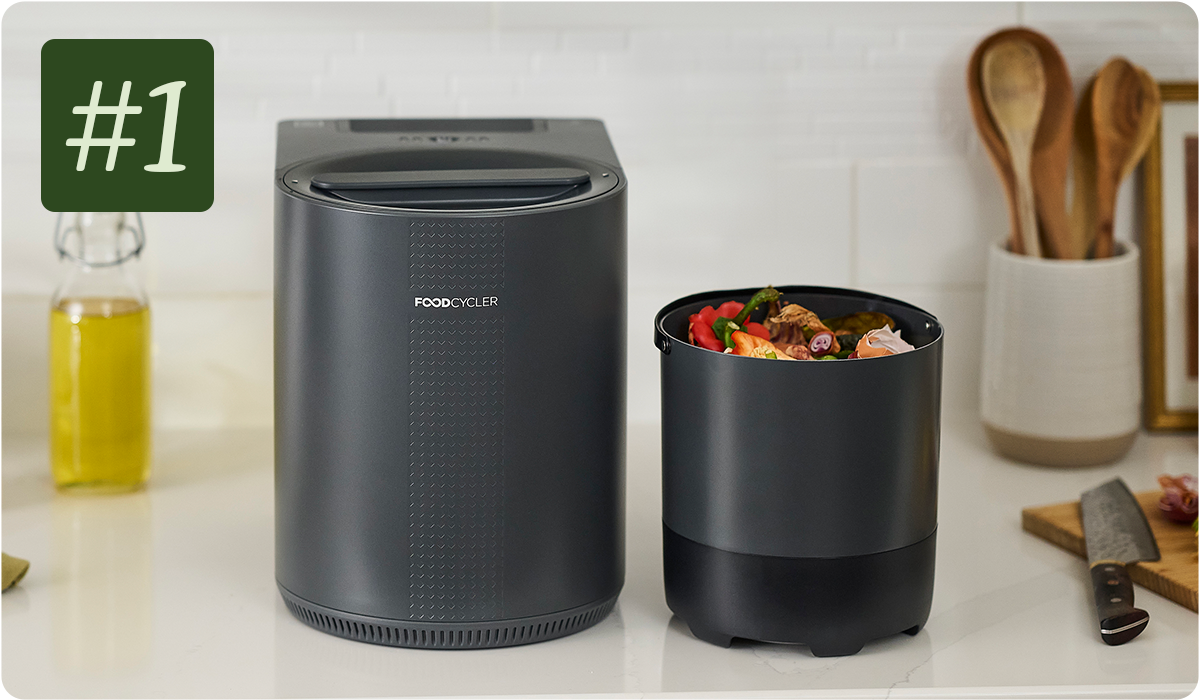
Let’s start with one of the most immediate wins: freshness.
When food scraps go into your garbage bin, odors build fast. Leftover pasta, fruit peels, or meat bones don’t just sit quietly—they invite pests and fill the air with that unmistakable “bin stink.” And unless you’re taking out the garbage daily, it lingers.
With a FoodCycler, scraps never have the chance to become a problem. Instead of decomposing in your trash can, they’re processed in a matter of hours into a dry by-product. That means:
The surprise? A food waste recycler doesn’t just reduce your impact—it makes your home feel instantly cleaner.
We all want routines that feel smooth and stress-free. But dealing with food waste can throw a wrench into that flow: leaky garbage bags, full bins, missed collection days.
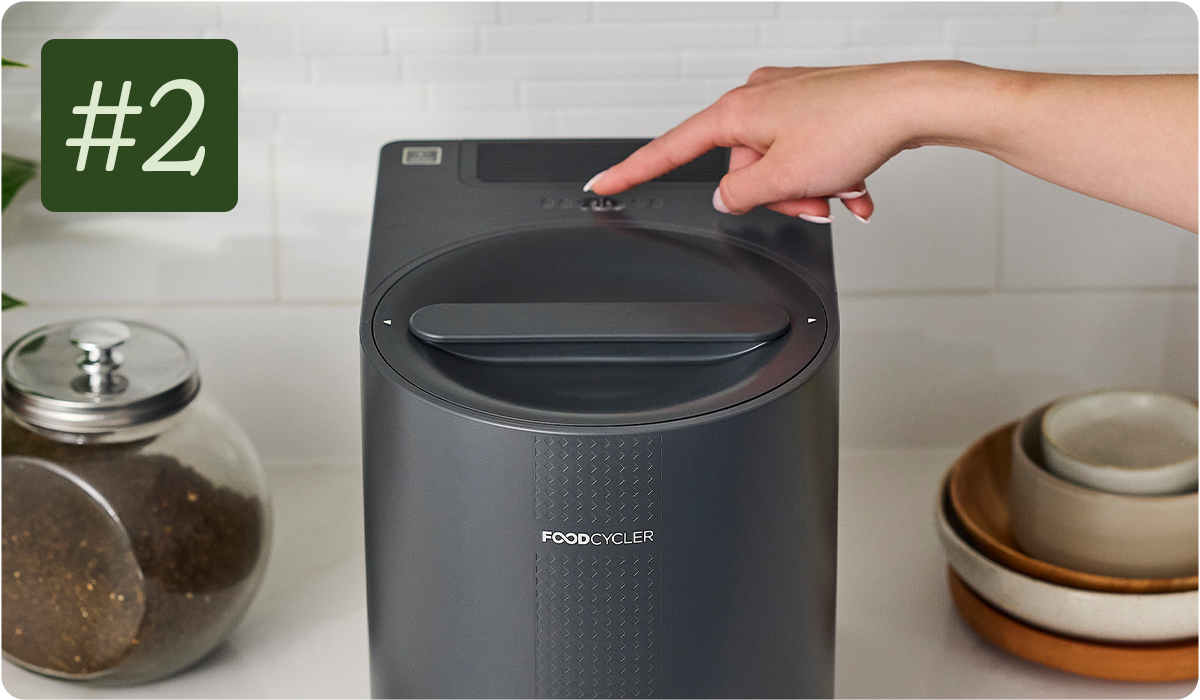
Here’s where the FoodCycler feels like a modern upgrade. It works just like any other appliance— push a button and let it run while you get on with your day.
The by-product takes up a fraction of the space of raw scraps, so you don’t have to race to the curb. Missed garbage day? Not a big deal anymore. Instead of managing smells and overflowing bins, you’ve built food waste recycling right into your kitchen rhythm.
Expectation: a hassle you put off.
Unexpected Reality: a habit that feels second nature.
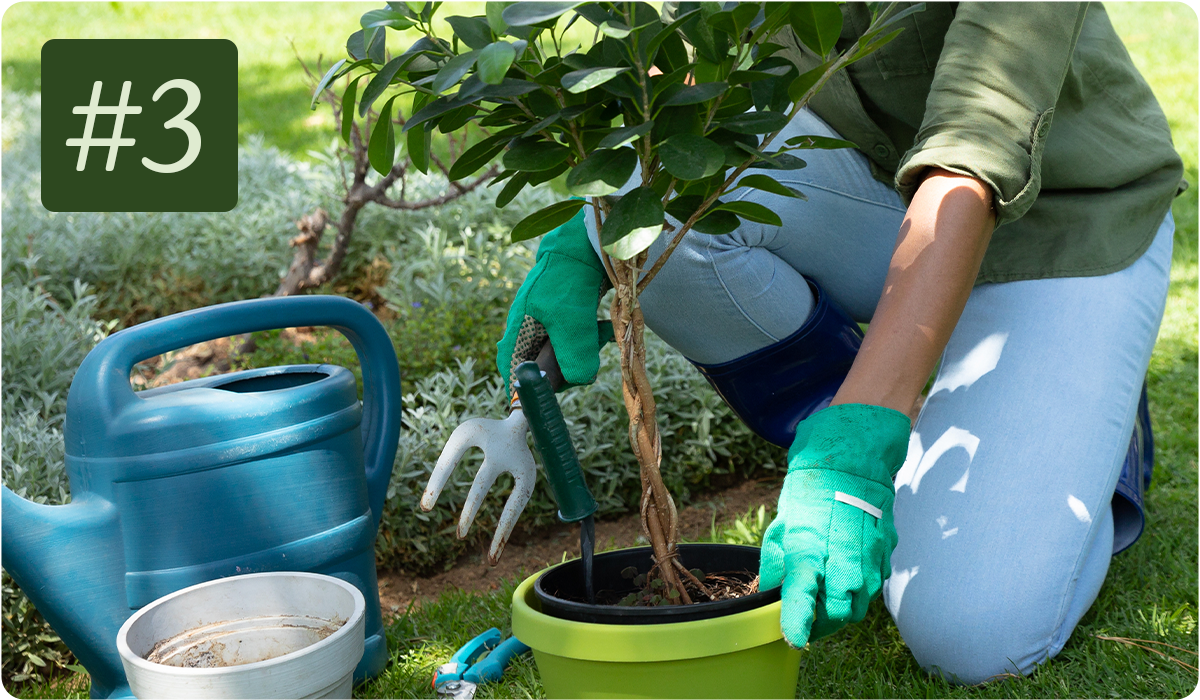
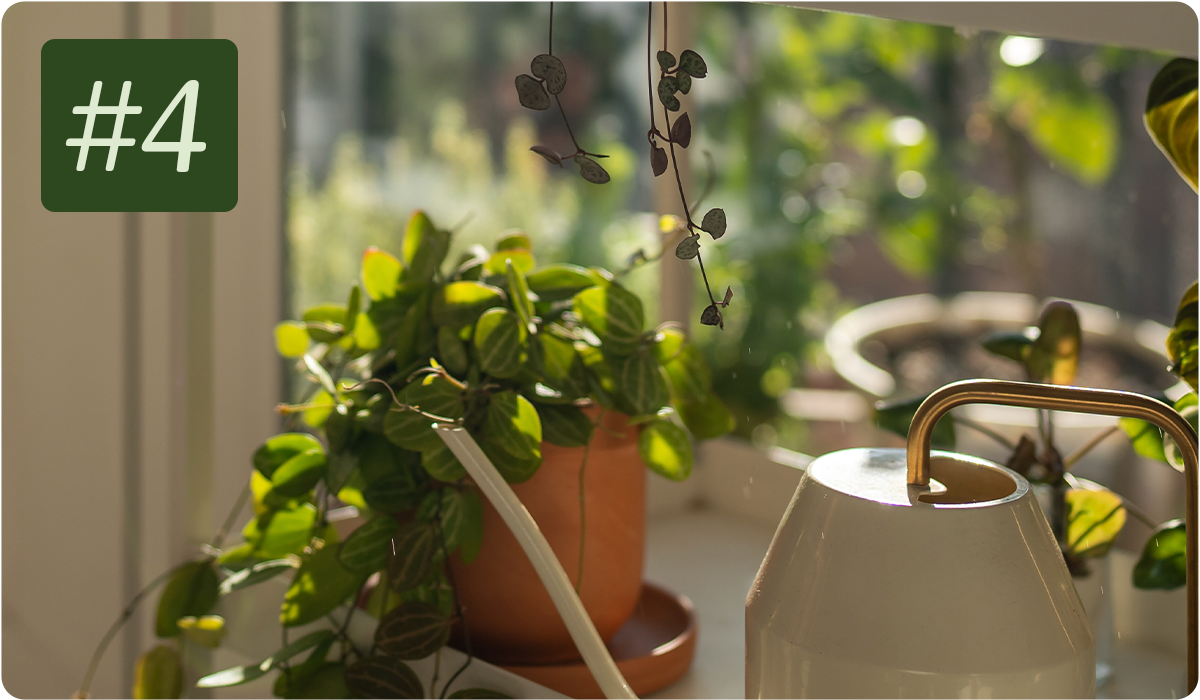
Here’s where the surprise factor gets really fun. That pile of peels and leftovers? It can come back to you as a boost for your plants and garden.
The FoodCycler transforms scraps into Foodilizer, a nutrient-rich by-product that can be used as a soil amendment. Mix it into soil, and suddenly your houseplants, herbs, or backyard garden are thriving on what you once saw as waste.
Unlike compost, which can take weeks or months, Foodilizer is ready in hours. It’s a compact, mess-free way to recycle nutrients without needing outdoor space or constant turning.
Think about it: this morning’s smoothie peel could be next month’s tomato harvest. That’s not trash—it’s a cycle of growth.

When you recycle food waste at home, the benefits extend beyond your kitchen. Every cycle with a FoodCycler keeps scraps out of the landfill and prevents greenhouse gases from being released.
Globally, food waste accounts for nearly 10% of all greenhouse gas emissions¹. That’s bigger than the aviation sector. By making one small change at home, you’re contributing to a massive shift in the right direction.
It’s an unexpected win: personal convenience that doubles as climate action. Without even trying, you’ve lowered your household footprint and turned a chore into something meaningful.
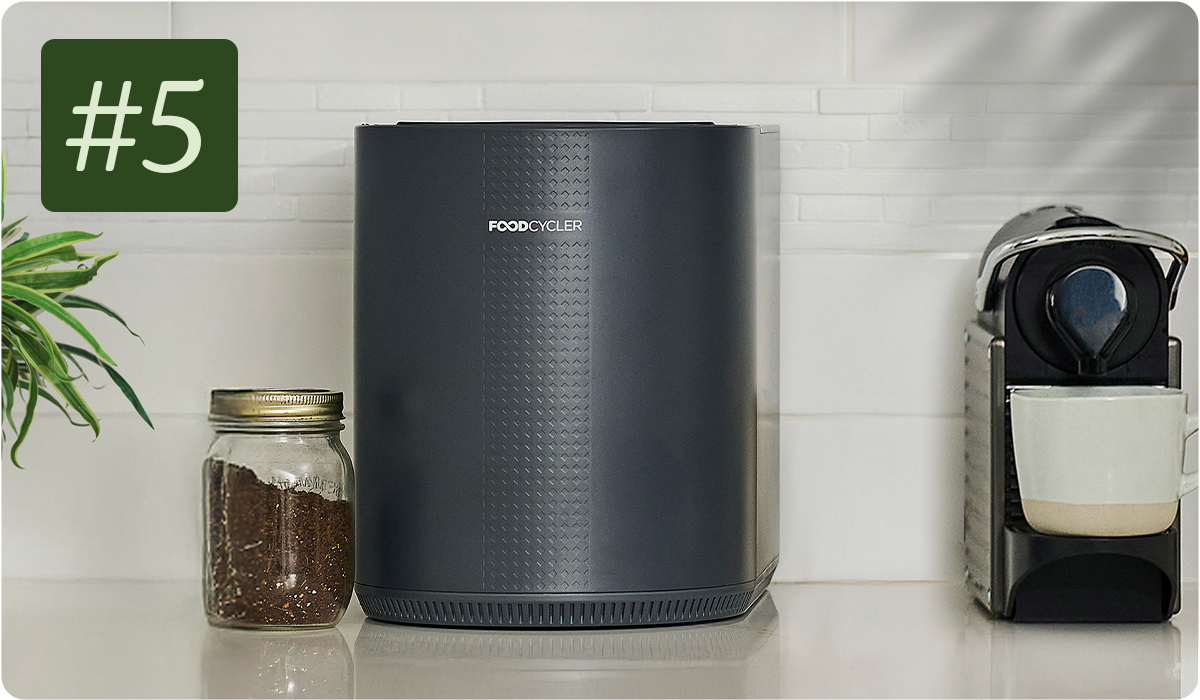
There’s nothing glamorous about an overflowing garbage bin. Clutter, mess, and stress pile up quickly when food waste fills bags faster than you can get rid of them.
By cycling scraps with a FoodCycler, you dramatically reduce the volume of waste in your kitchen. Food waste shrinks by up to 90% during processing. That means fewer garbage bags, fewer trips outside, and less clutter competing with your clean kitchen design.
The real upgrade? Realizing your garbage drawer isn’t complete without a food waste solution. Pair the two together, and suddenly your kitchen feels more functional, streamlined, and—yes—less stressful.
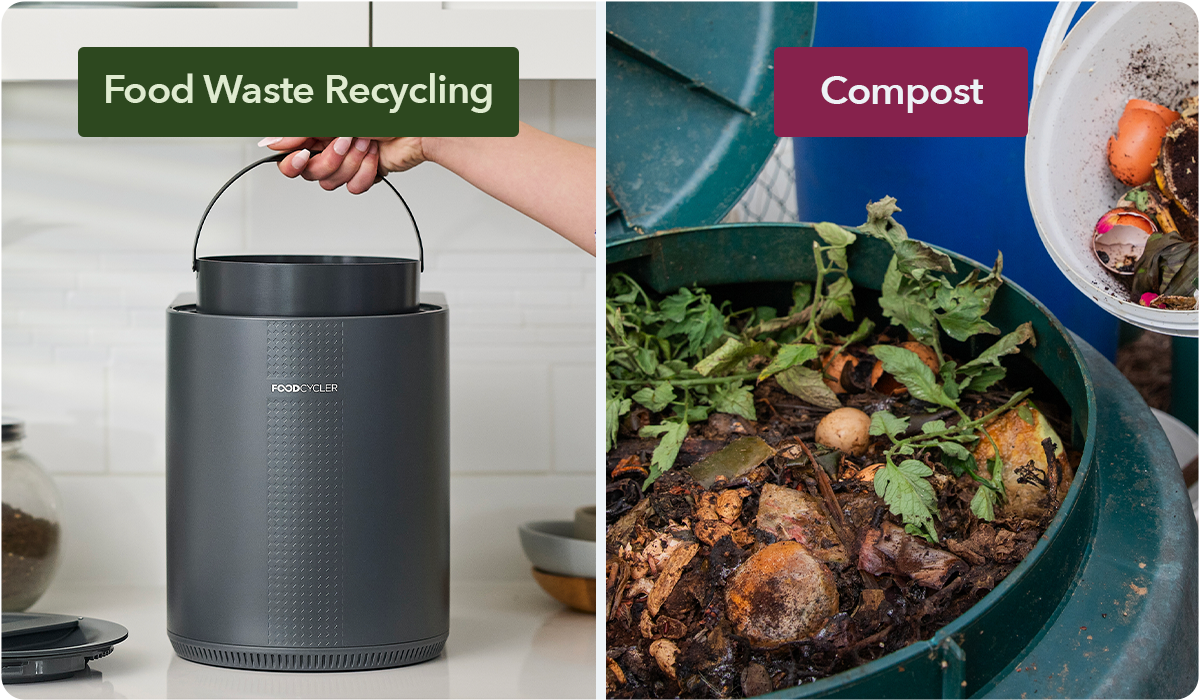
It’s natural to wonder: how does this compare to composting?
Compost is the traditional way to recycle organics—an outdoor pile or bin where food breaks down over time. It’s effective but requires space, time, and maintenance.
The FoodCycler offers many of the same benefits as composting in a more accessible format. It’s not a composter—neither manual nor electric—but a food waste recycler that transforms scraps into a dry, odorless material in just hours. Both composting and food waste recycling are effective ways to reduce landfill waste, cut greenhouse gas emissions, and return valuable nutrients back to the earth—but they’re designed for different lifestyles. Traditional composting suits those with outdoor space and time to maintain the process, while the FoodCycler streamlines food waste management for modern living. Compact, clean, and automatic, it fits effortlessly into daily routines—making sustainability simpler for every household.

Adding a FoodCycler isn’t about overhauling your lifestyle—it’s about integrating it into the flow you already have.
Bonus: the bucket is portable—keep it near your prep area as you cook, then move it easily to the unit when you’re ready to start a cycle.With a little planning, food waste recycling becomes automatic. No stress, no smell, no surprises—except the good kind.
Food waste isn’t what you think it is. For years, the expectation has been mess, smell, and inconvenience. But with the FoodCycler, the reality is fresh kitchens, smoother routines, healthier plants, and a lighter footprint.
It’s not what you were expecting from your scraps— but it’s the upgrade your home has been waiting for.

¹United Nations Climate Change. Food Loss and Waste Account for 8–10% of Annual Global Greenhouse Gas Emissions, Cost USD 1 Trillion. Published September 30, 2024. Available at: unfccc.int/news/food-loss-and-waste-account-for-8-10-of-annual-global-greenhouse-gas-emissions-cost-usd-1-trillion