Free delivery with device purchase.
Free delivery with device purchase.

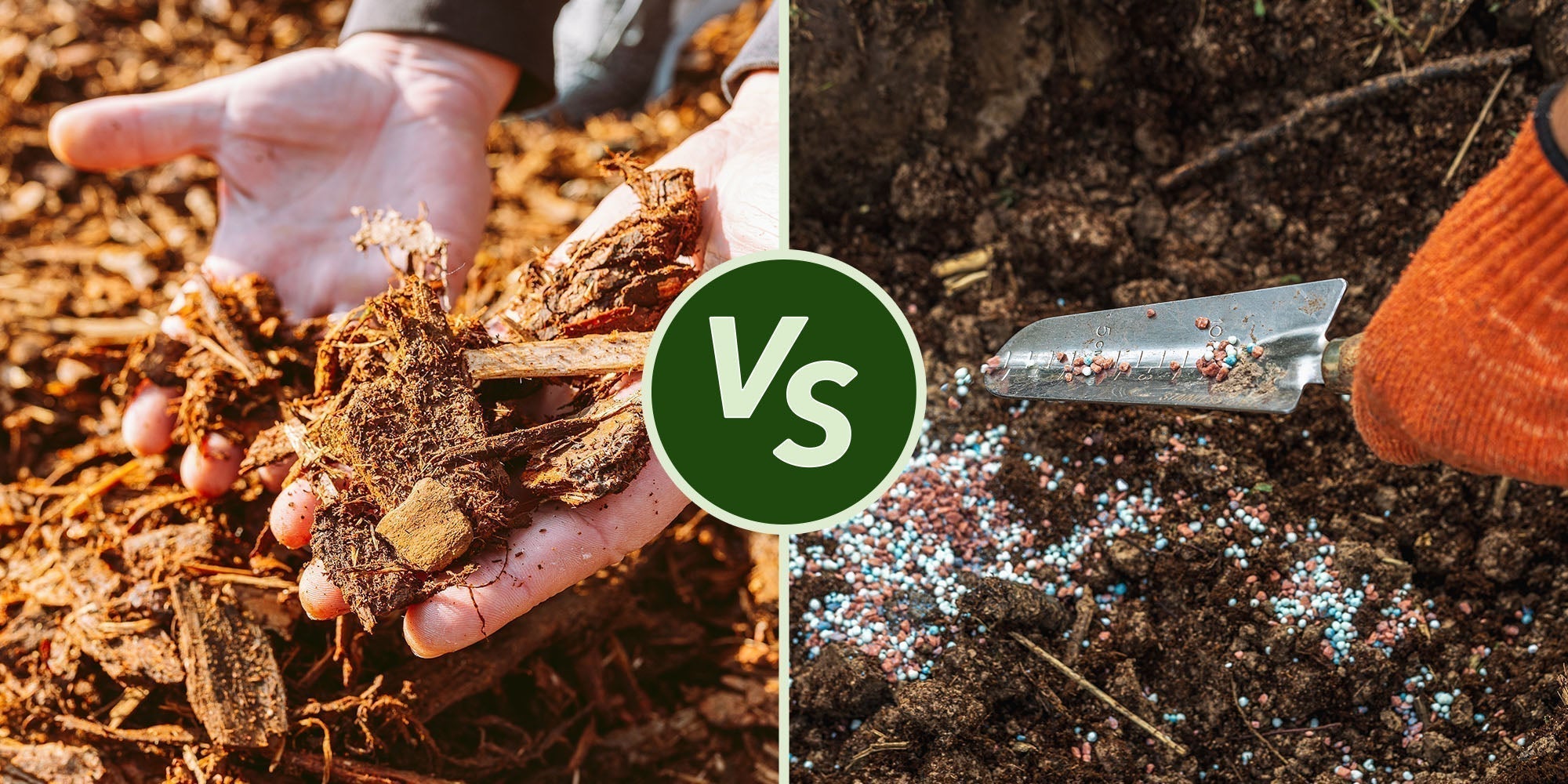
Many families want better garden results but don’t know where to start. Walking down your local gardening aisle, there are always way too many options: fertilizer, mulch… and you don’t know where to start.
That’s why this guide breaks it down simply: mulch and fertilizer are both valuable tools, each with their own role to play. Used the right way, they can support a cleaner, greener backyard experience with less weekend work and more time to enjoy the outdoors with your family.
Mulch1, in simple terms, is just a protective layer that can go right on top of your soil. It can be from nature, i.e. bark, leaves, straw, grass clippings, or even rocks and stones. It’s overall a great addition to your garden for the average busy family due to its amazing properties we’re going to outline in the next section.
Mulch has a lot of practical benefits2, such as:
Using mulch has some cons3 as well.
Tip: Don’t let mulch touch plant stems and avoid piling it too high. Choosing the right type for your plants and climate helps avoid most of the common issues.
Fertilizer4 is essentially plant food that gives them a boost. It gives your soil and plants many needed nutrients that can help them grow big and strong. Many fertilizers mention a NPK ratio, or nitrogen (N), phosphorus (P), and potassium (K) ratio. This is like the golden ratio of nutrients that can be used to make sure the fertilizer is helping the plants and soil.
There are two main types: organic (made from natural materials like compost or bone meal) and synthetic (lab-made mixes). Organic fertilizer improves long-term soil health, while synthetic can give fast, measurable results, but often needs more careful handling.
Fertilizer is a great additive to your gardens but needs tending and caring to ensure you’re not overfeeding your garden with nutrients.

Liquid fertilizer5 delivers essential nutrients in a liquid form. You pour it on with a watering can or spray it through a hose attachment. Because it’s already dissolved, plants absorb it quickly through their roots. That makes it great for reviving plants that are looking tired or pushing vegetables to grow faster during peak season.
Think of it as a “quick energy drink” for your plants — handy in emergencies, but not a replacement for steady, balanced care.
Using fertilizer has loads of pros6:
1. It can work fast, often noticing results within a week
2. It targets specific plant growth needs with its boost of nutrients
3. It can rescue dying plants and resurrect them
4. It can be applied to any form of vegetation: flowers, veggies, or lawns
Liquid fertilizers also have some cons :
1. Too much of a good thing is bad, and to much fertilizer can lead to unwanted side effects such as ‘burning’ plant leaves and stems7
2. Needs consistent reapplication, and has harmful run offs with rainwater8
3. Too synthetic of fertilizer doesn’t really help the long-term health of soil9
Tip: Always follow package instructions and start with less, you can always add more, but it’s hard to undo overfeeding.
A quick way to think about it: mulch helps to prevent problems; fertilizer helps to boost growth.
For example: If your raised beds dry out fast in summer, mulch is your best friend. If your tomato leaves are yellowing and looking sad, fertilizer steps in to save the day.
Liquid fertilizer is the quick fix. Mulch is the slow, steady helper. If you have a plant emergency such as leaves turning yellow or growth stalling, liquid fertilizer can step in right away and save the day.
But for steady, long-term health, pair mulch with liquid fertilizer so your soil stays rich and plants stay strong over time.
Absolutely. In fact, they work well together. Fertilizer feeds your plants, and mulch helps keep that nutrition in the soil longer.
A good approach is to apply fertilizer first, then mulch. Just avoid burying seedlings or piling mulch against stems.
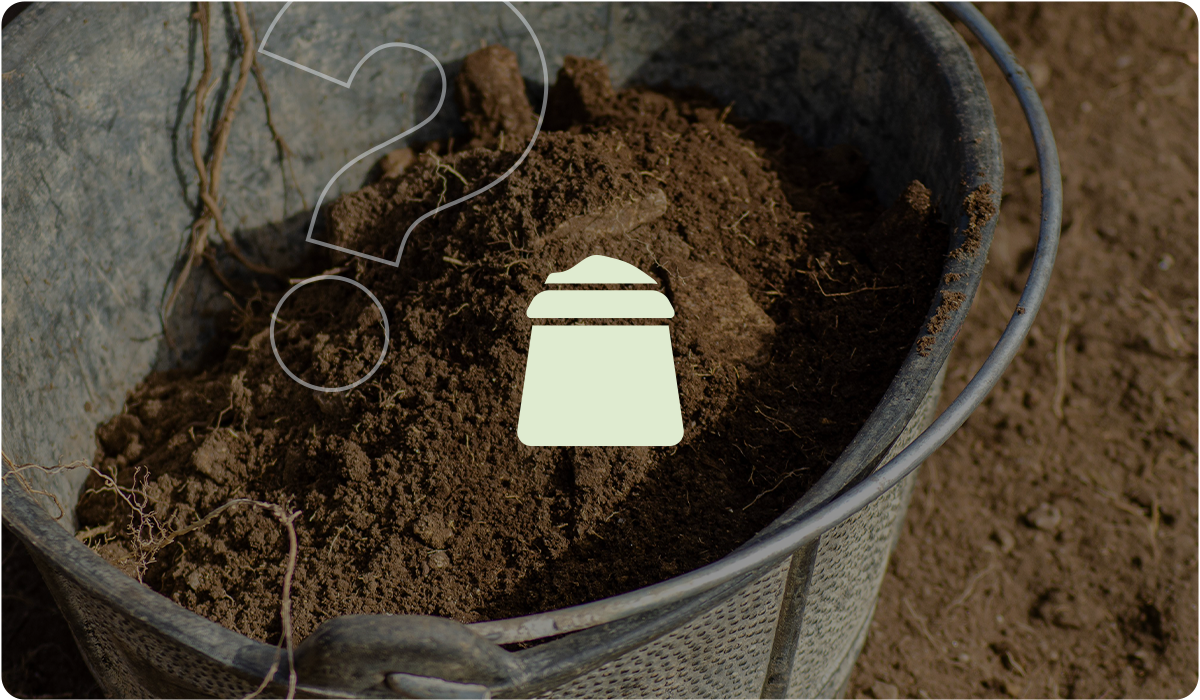
Manure10 is defined as the animal-based (cow, chicken, horse, etc) by-product used in many gardening and farming applications. It works best when aged or combined into compost. It shouldn’t be used on its own as it’s way too strong in specific nutrients for some plant’s needs. While it can be smelly and very messy, it’s a natural tradition that farmer have been doing for years.
Comparing between Mulch vs Fertilizer vs Manure
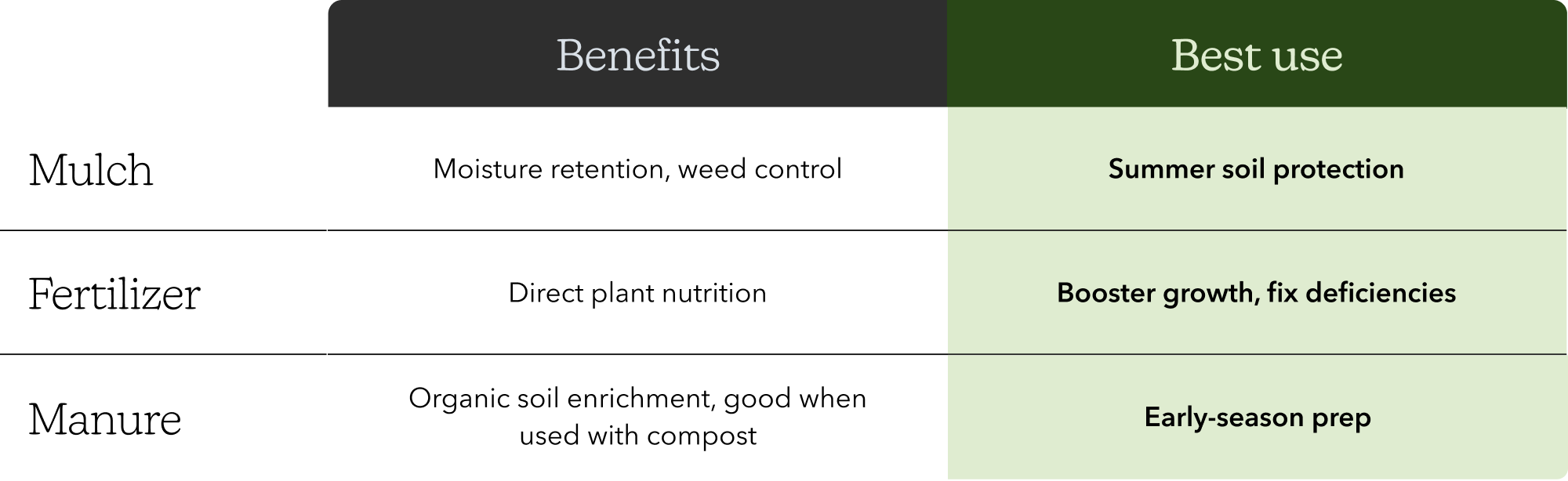
Here is a quick go-to table listing out the benefits and best uses of Manure, Fertilizer, and Mulch in your gardens and how each can help you out.
Mulch, fertilizer, and even manure all has a place in a healthy garden. It’s not about choosing just one, it’s about knowing when and how to use each so they’re working in conjunction.
By matching the tool to your garden goals, you’ll spend less time fixing problems and more time enjoying a thriving yard.
And if you want to give your garden a head start, consider the FoodCycler®. It turns kitchen scraps into a nutrient-rich soil amendment you can use before mulching or fertilizing. No mess, no smell, just better habits for a thriving backyard.

⁴Agriculture Nutrient Management and Fertilizer | US EPA
⁵Pros and cons of granular and liquid fertilizers | Field Crops | MSU Extension
⁶Quick guide to fertilizing plants | UMN Extension