Free delivery with device purchase.
Free delivery with device purchase.
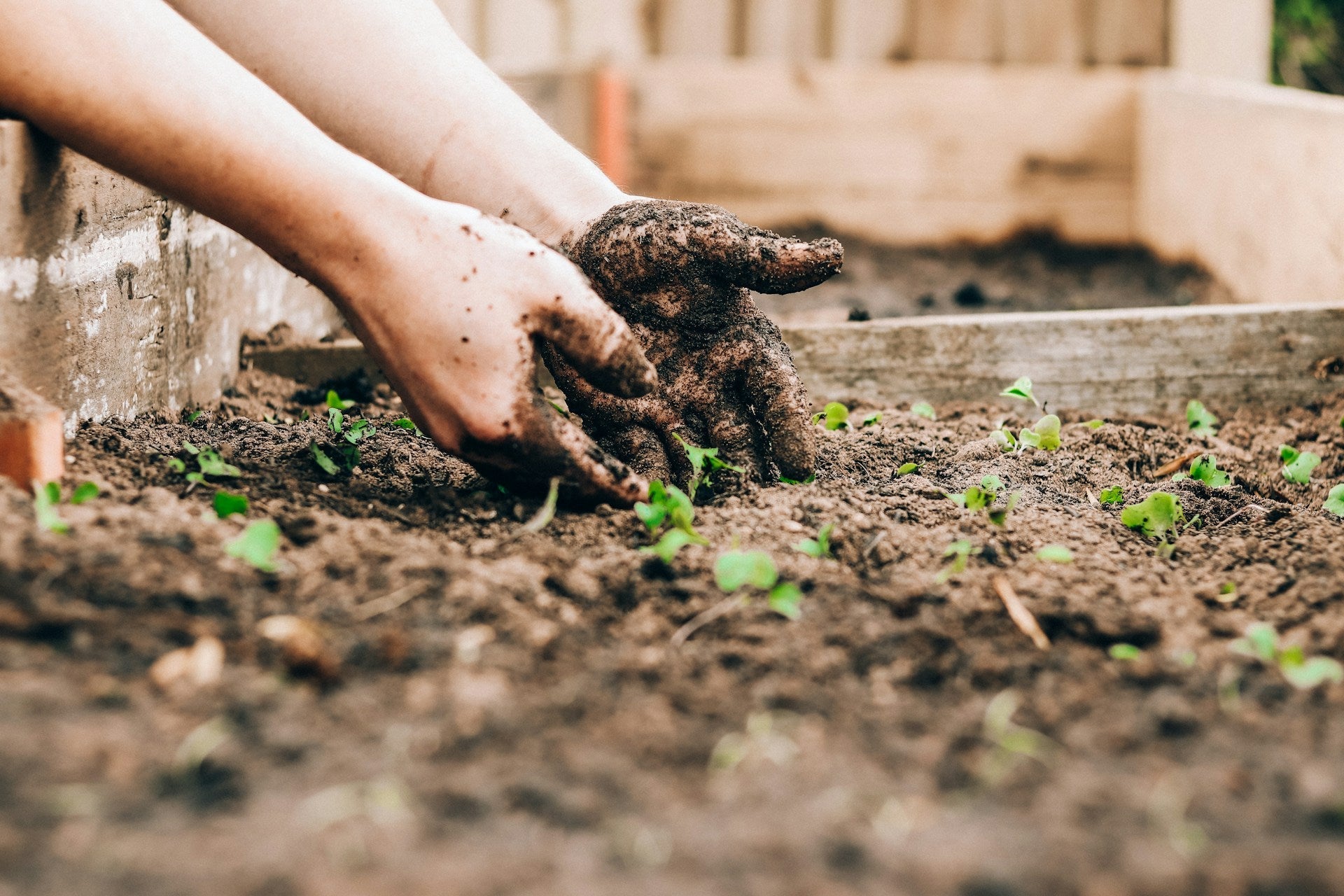
Did you know you can use recycled food waste for gardens, houseplants, flowers, and grass? The FoodCycler is an electric food waste recycler that transforms leftovers, peels, pits, leaves, and all sorts of other organic matter into a nutrient-rich by-product called Foodilizer.
Here’s how to use kitchen scraps for garden applications!
You don’t need a green thumb to start using kitchen food waste for your garden. Making Foodilizer is as easy as 1-2-3!
https://youtube.com/watch?v=a_SGhpXYtl0%3Fsi%3DHCiVJQjk7kWVGXCm%26enablejsapi%3D1%26origin%3Dhttps%253A%252F%252Ffoodcycler.com
Foodilizer is loaded with nutrients that help plants thrive, but that’s just the start. Its high density and concentration of organic matter aid with the soil’s water retention. The high organic matter helps natural microbes thrive and recycle nutrients. This recycling allows the nutrients to be released slowly, so your plants have a consistent supply.
While feeding your plants, Foodilizer also nourishes beneficial microbes in the soil. As microorganisms feed on and decompose the organic matter, the soil becomes even more fertile.
However, it is important to note that the nutrient content is entirely dependent on what you put in the FoodCycler. For example, if it’s a lot of fast food and starchy fries, then the Foodilizer will be high in salt. Our recommendation is to add a good mix of veggie scraps, leftovers, and animal products, such as bones and eggshells.
Different types of kitchen food scraps for gardens contain different nutrients. The most prevalent nutrients in Foodilizer are:
Now that you know what to do with food scraps, you can plan a strategic diet that benefits the health of both your family and your plants.
To optimize your Foodilizer for plants, try to avoid high-sodium foods, like cured meats, salty snacks, pickled foods, and canned meats and seafood.
Fresh fruits and veggies, eggshells, coffee grounds, and other low-sodium foods are ideal kitchen scraps for gardens.
Learn More On Our Foodilizer Guide
We generally recommend a 1:10 ratio, but a 1:20 ratio may be more effective if your Foodilizer was made from a lot of meat and/or dairy.
https://youtube.com/watch?v=fKpJwsrf8bQ%3Fsi%3DnLwfgEC5Q3tF7Yxj%26enablejsapi%3D1%26origin%3Dhttps%253A%252F%252Ffoodcycler.com
You should also consider the electrical conductivity (EC) sensitivity of your plants.
Every plant has an optimal EC range that plays a significant role in its nutrient requirements. If a plant’s EC is low, it won’t have enough nutrients and may not grow properly. If the EC is too high, it has excessive nutrients and may experience water stress and/or nutrient burn.
Consider amending the soil based on the type of crops you’re growing.
Add ⅓ cup of Foodilizer for every gallon of soil (2% mixture).
Add ¾ cup of Foodilizer for every gallon of soil (5% mixture).
Add 1 ½ cups of Foodilizer for every gallon of soil (10% mixture).
https://youtube.com/watch?v=F8rdt8e6HMY%3Fsi%3DYnTszG36GH7otO4C%26enablejsapi%3D1%26origin%3Dhttps%253A%252F%252Ffoodcycler.com
Thanks to your FoodCycler, you’ll be able to use kitchen scraps for your garden throughout the entire season. We recommend mixing 1/3 cup of Foodilizer in the soil surrounding each plant every 2 weeks to compensate for the microbes that feed on the nutrients.
In addition to knowing what to do with food scraps, it’s important that you know what not to do with them! Excessive nutrients can cause sensitive seeds not to germinate, so don’t apply Foodilizer to them directly.
Using Foodilizer to top dress plants can cause mold to grow. The best way to use food scraps for gardens is to mix the Foodilizer into the soil and then allow it to rest for one week before applying.
Yes! Another way to indirectly use kitchen food scraps for gardens is to simply toss your Foodilizer into your compost. Foodilizer supports microbial activity, boosts nutrient content, and enhances its overall quality.
We recommend adding 2-3 cups of Foodilizer to every 30 gallons of compost once a week.
Learn more here: Composting with Foodilizer: How To Supercharge Your Compost Game the Easy Way.
https://youtube.com/watch?v=dcHUX0xHOp8%3Fsi%3D4kCAAP9ohk9k1bpe%26enablejsapi%3D1%26origin%3Dhttps%253A%252F%252Ffoodcycler.com
Absolutely! You don’t only have to use kitchen food waste for gardens. Houseplants and flowers love Foodilizer, too. Because your FoodCycler produces a regular supply of Foodilizer, you can use your kitchen scraps for a garden and save a bit for your indoor plants, too.
Every two weeks, mix Foodilizer into the soil around the plant, making sure it doesn’t touch the stem. Water lightly.
Here’s how much Foodilizer to use:
| Pot Size | Amount of Foodilizer |
| Pint | 2 Teaspoons |
| Quart | 4 Teaspoons |
| 1 Gallon | ⅓ Cup |
| 2 Gallons | ⅔ Cup |
| 3 Gallons | 1 Cup |
https://youtube.com/watch?v=K8NjLdAIrSQ%3Fsi%3D5jaGOv9dGhcAd2eD%26enablejsapi%3D1%26origin%3Dhttps%253A%252F%252Ffoodcycler.com
We don’t recommend applying Foodilizer directly to your lawn, because it needs to be mixed in with the soil. However, if you’re wondering what to do with food scraps, but you don’t have a garden, use Foodilizer to spruce up those patchy and bare spots in your lawn.
All you have to do is rake the Foodilizer into your topsoil until well-combined. Wait one week before planting grass seeds.
https://youtube.com/watch?v=pMP38U6mirg%3Fsi%3D41m0RybYpwYIYfvQ%26enablejsapi%3D1%26origin%3Dhttps%253A%252F%252Ffoodcycler.com
Now that you know how to use kitchen scraps for gardens, shop for kitchen recyclers for food waste so you’re ready for springtime gardening. Instead of wasting waste, feed your garden!
