Free delivery with device purchase.
Free delivery with device purchase.

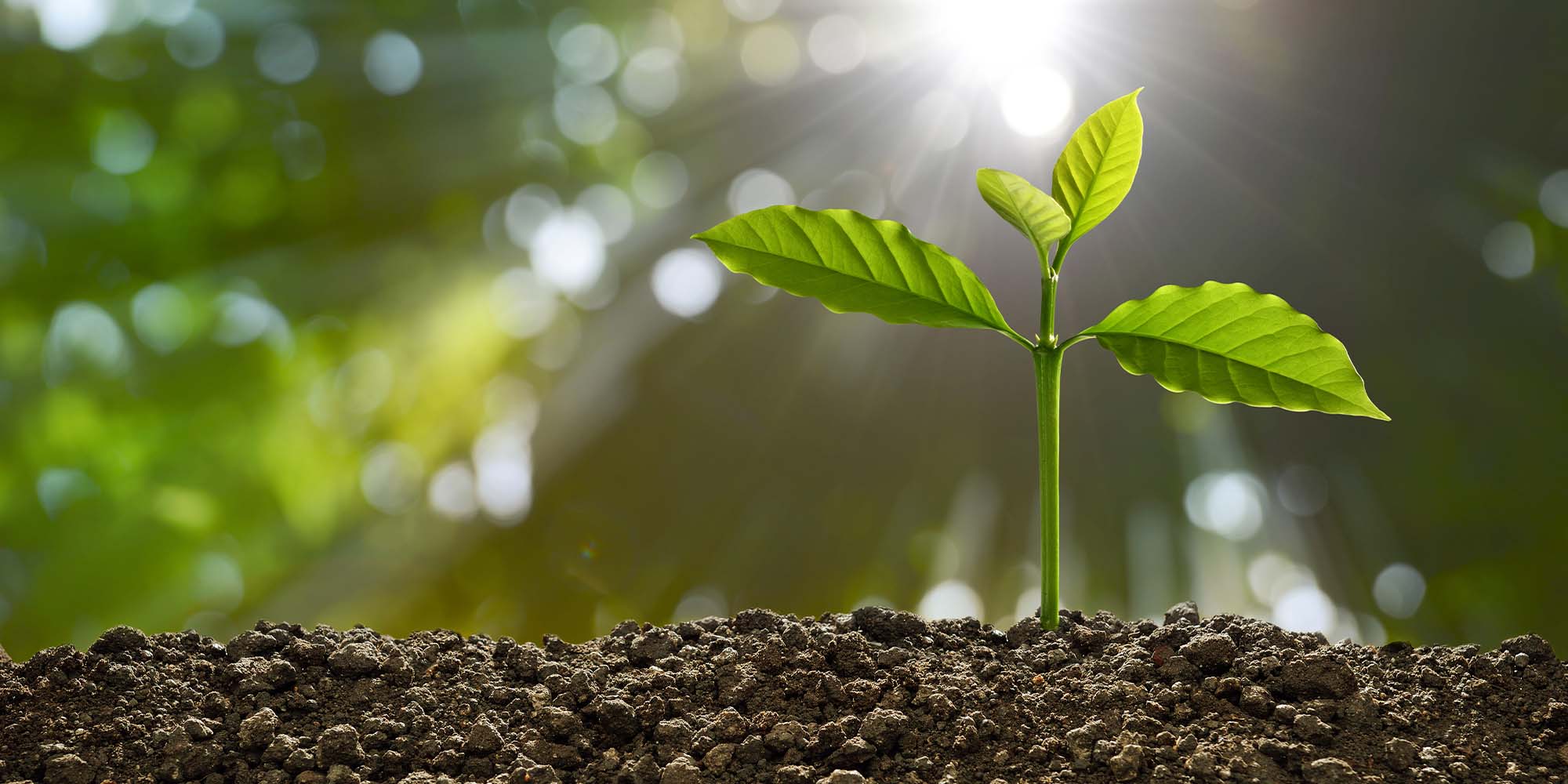
Soil amendment, or soil conditioner, is a soil additive you can incorporate into your garden to increase water retention, aeration and organic matter, all important elements in a healthy garden!
The FoodCycler transforms your household food waste into a nutrient-rich by-product which can be used as a soil amendment in your garden beds.
While the nutritional make-up of your by-product will depend on what you add to your cycle, with an average Western diet (including meat, fruit/vegetables and carbohydrates) our third partythird-party analysis shows that FoodCycler produces a soil amendment with an average NPK of 41-1-1**.
NPK stands for Nitrogen-Phosphorus-Potassium. These are the three macro-nutrients required by plants for healthy growth. (You’ll regularly find an NPK ratio listed on bags of synthetic fertilizer at the store.)
With an average NPK of 41-1-1, your homemade FoodCycler soil amendment fertilizer will have a powerful store of nitrogen, phosphorous and potassium ready to be made available to your plant roots, if incorporated into the soil correctly. Keep in mind, the exact ratio of NPK is dictated from what you put in to your FoodCycler
This blog post is going to list some nitrogen-loving plants which you can nourish with your homemade soil conditioner to make the most of your by-product’s high nitrogen rating.
You’ll notice that, in the list below, many of the plants which thrive on nitrogen-rich soils seem to be predominantly leafy vegetables, as opposed to vining or most root vegetables.
This is because nitrogen is particularly crucial to the development of leaves and plant tissues.
It’s important to remember that, while all plants need nitrogen to grow and thrive, some plants need more nitrogen than others. “Fruiting” plants (such as cucumbers, tomatoes and zucchini) or root plants (like carrots) do well with a balanced amount of nitrogen in relation to the other two macronutrients (phosphorous and potassium).
If given an excess of nitrogen, some plants will focus all their energy on developing strong stems, vines and leaves instead of the fruit you’re hoping to collect from them! With this in mind, let’s look at some fruits and vegetables whose edible parts include their leaves.
In soil sciences, electrical conductivity (EC) refers to the measure of the soils ability to conduct an electrical current, mainly through the presence of salts and other chemicals in the soil water such as nitrogen, phosphorus and potassium. This allows for an accurate representation of appropriate soil amendment concentrations, i.e. more sensitive plants or crops (lower EC values) need lower quantity of mixed in by-product (2% mixture, or 1:50 of by-product to soil).
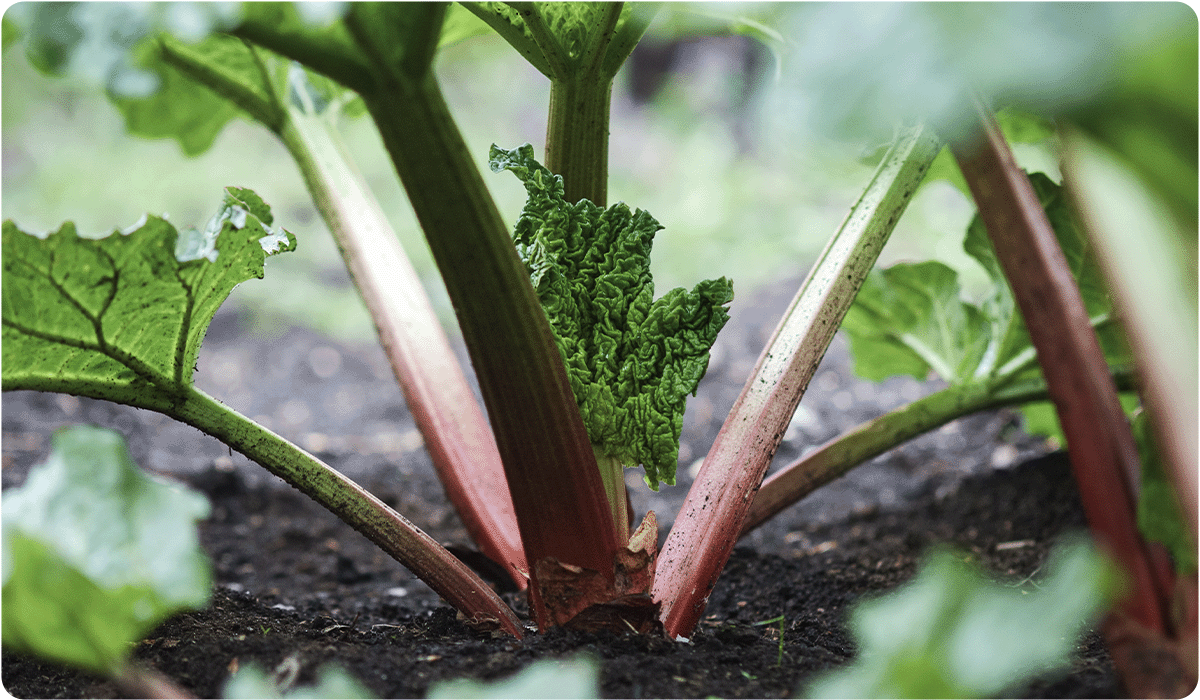
Rhubarb needs sufficient nitrogen in order to grow the leaf petiole (the edible part of the plant) and, in wild environments, can pull that nitrogen from the decaying organic matter nearby on the forest floor.
It’s a very low maintenance plant, but you’ll need a lot of patience. Only after 2-3 years of growth do you start to see harvesting potential. They need a lot of sunlight with fertile, moisture retentive soil. While it’s able to be grown from seedlings, sometimes it’s easier to grow from bare-root or potted plants as they already have established roots. Make sure that your plants are up to 90cm apart, as they’ll grow and form large clumps.
Apply by-product as a ratio of about 1:20 (3/4 cup by product for every gallon soil (~3.78L)). Never apply byproduct directly to the stems of your rhubarb, and make sure your soil is thoroughly mixed and wet.
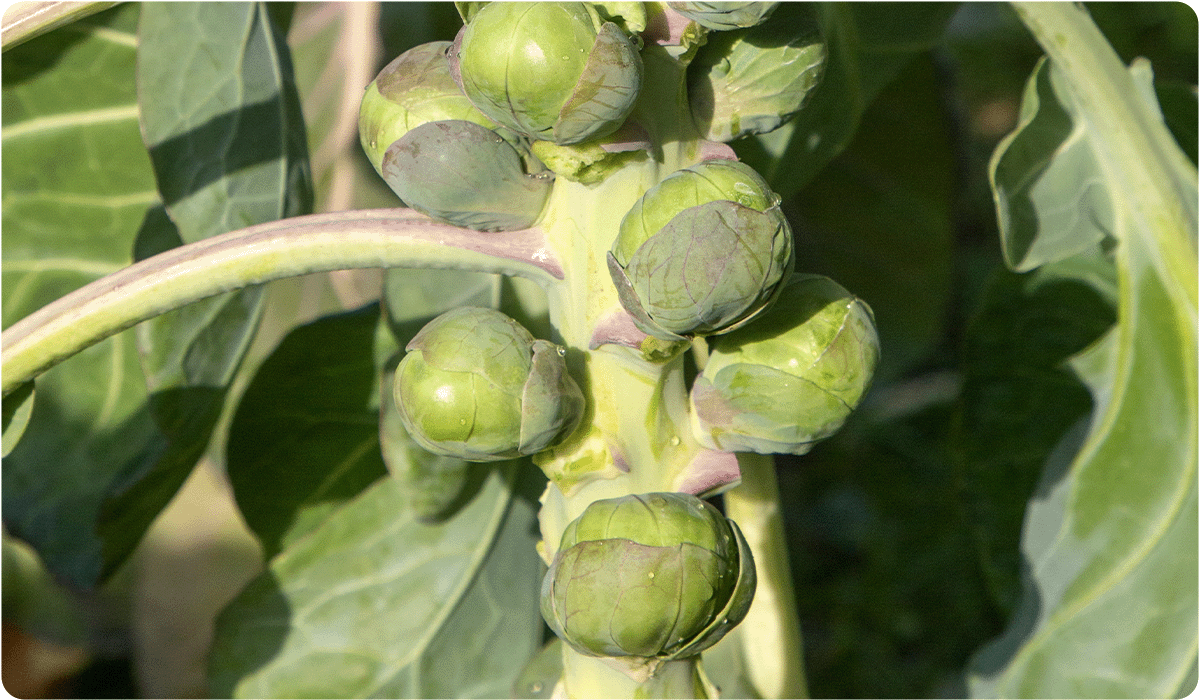
Brussel sprouts need a continuous supply of nitrogen to generate the sprouts that are both their “fruit” and a continuation of the brassica’s thick, water-repellent leaves.
Brussel sprouts love a sunny location, with enough room for it to grow (their stalks can grow up to 3 ft tall!). They’re able to thrive in colder weather, and often times taste the sweetest when harvested after being frosted.
Apply by-product at a ratio of about 1:20 (3/4Foodilizer per gallon of soil).
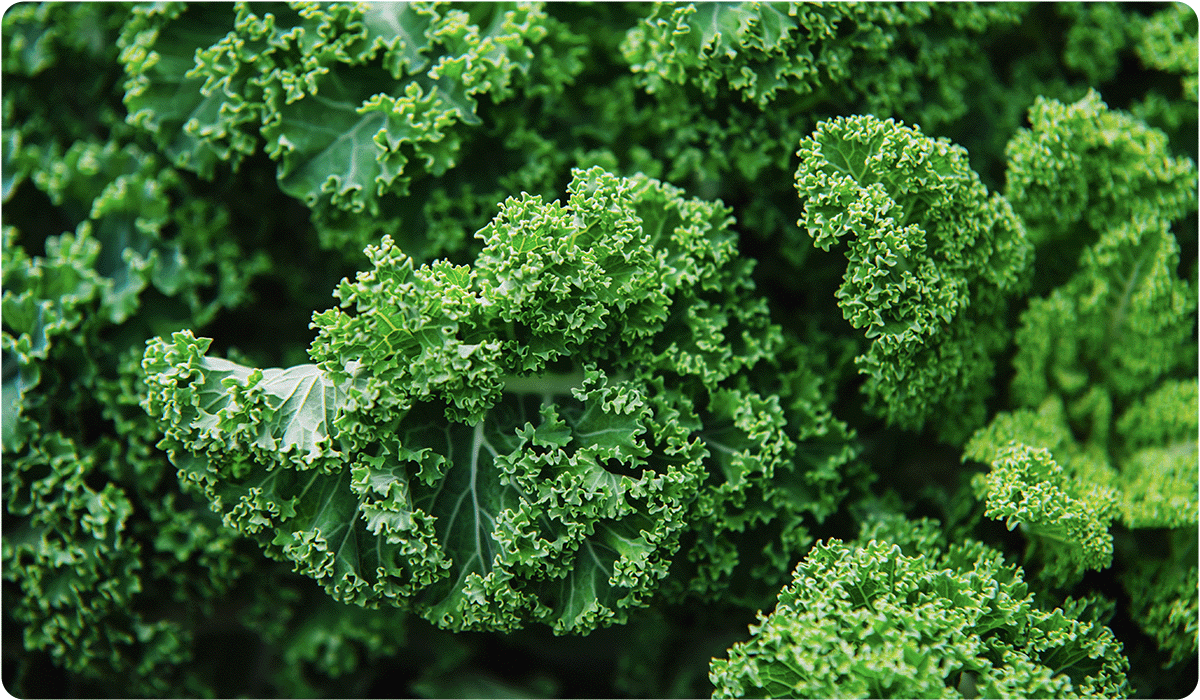
Kale needs that boost of nitrogen to support green-hued chlorophyll molecules from which it sources its energy. Without it’s supply of nitrogen, it can lead to deficiencies in growth and pale, yellowing leaves. This results in a crop that is not edible at all!
Kale has grown heavily in popularity in the recent years, which is great since it’s a relatively easy to grow. It loves the sun but can tolerate a bit of shade. To keep it happy, it should be grown with other cabbage family members (broccoli, cauliflower, brussels sprouts, etc) in a crop rotation.
Apply by-product as a ratio of about 1:20 (3/4 cup by product for every gallon soil)
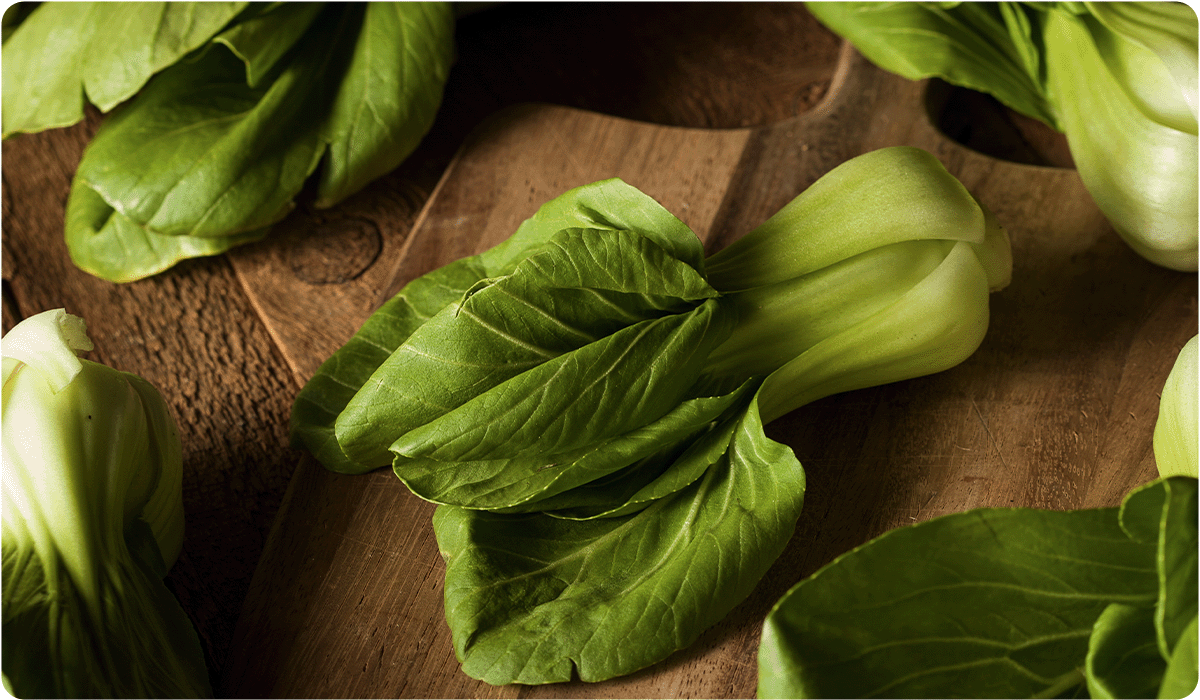
Nitrogen in your soil is required for and can enhance the chlorophyll production in your bok choy (also known as pak choi), will gives the plant more vibrant green leaves and a more sweeter taste.
Bok choy is super easy to grow! Make sure to plant it in rich, well-drained soil, keep it watered regularly, and make sure it gets plenty of sun with a bit of shade during hot afternoons. In just a few weeks, you’ll have crisp, tender greens ready to harvest.
Apply by-product as a ratio of about 1:20 (3/4 cup by product for every gallon soil.
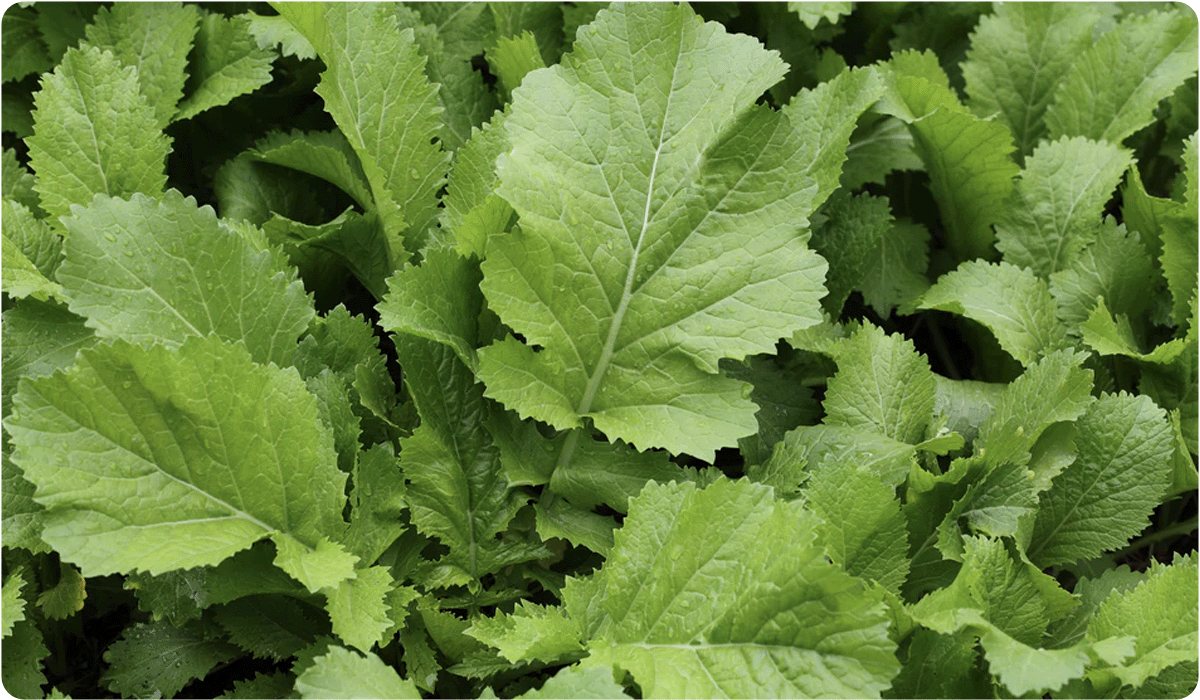
Mustard plants respond very well to continuous nitrogen application: yield can actually increase by more than 30%! Too little nitrogen availability, and you will start to notice yellowing, drooping leaves.
Mustard greens grow fast and thrive in cool weather. Sow the seeds directly in the soil, keep them evenly watered, and you’ll have mustard to harvest in as little as 4–6 weeks.
Apply by-product as a ratio of about 1:20 (3/4 cup by product for every gallon soil)
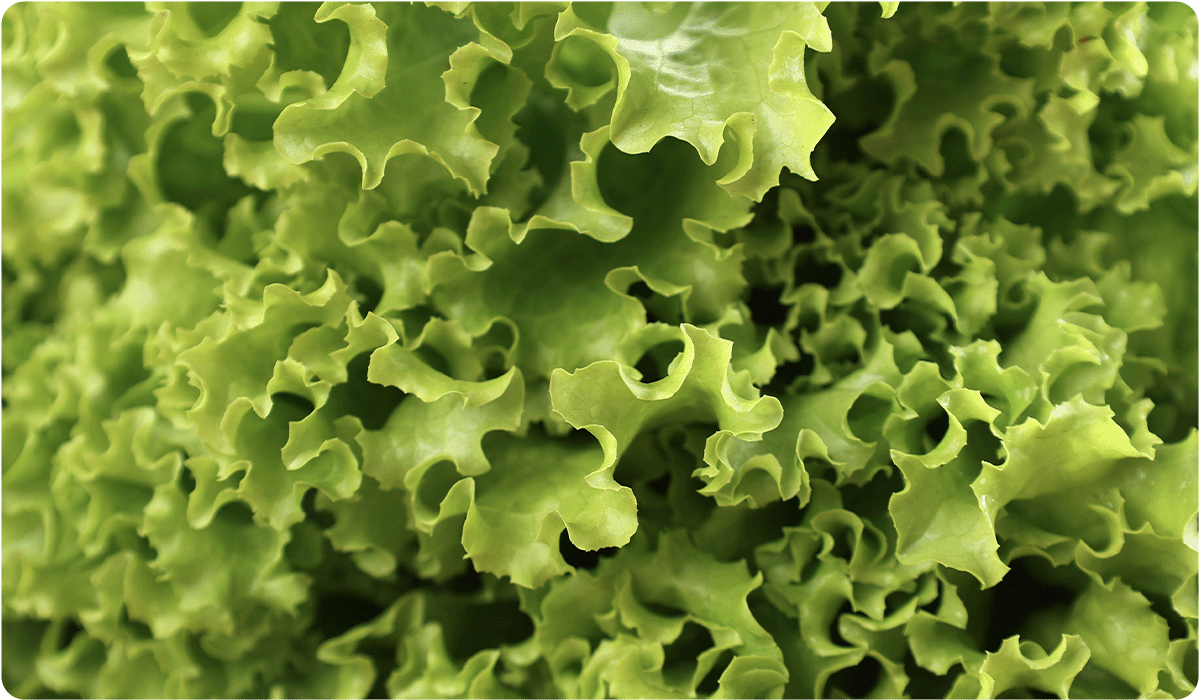
Lettuce is incredibly easy to grow – a perfect starter plant for the novice or container gardener. This easy-going plant also requires regular access to nitrogen in order to yield large, crunchy leaves.
Lettuce is a quick, low-maintenance crop. Scatter the seeds in loose, well-drained soil, keep it consistently moist, and you’ll be harvesting fresh, tender leaves in a few weeks.
Apply by-product as a ratio of about 1:50 (1/3 cup by product for every gallon soil)
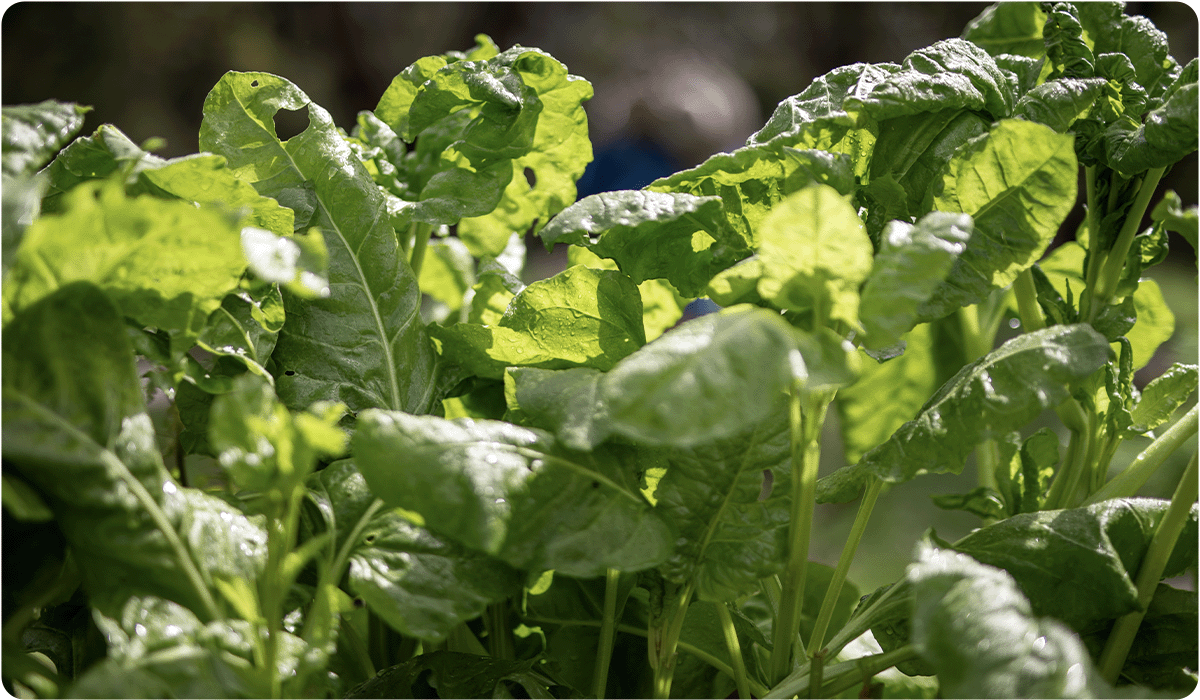
This leafy green might be even easier to grow than lettuce! Spinach is a cold-weather plant with supple, earthy-flavoured leaves. Make sure that when you plant spinach seeds – or transplant spinach seedlings – that you’re giving them a home in nitrogen-rich soil to support the growth of their tender leaves.
Spinach loves cool weather and grows fast. Plant the seeds in fertile, well-drained soil, keep them evenly watered, and you’ll have tender, leafy greens ready to pick in about 4–6 weeks.
Apply by-product as a ratio of about 1:20 (3/4 cup by product for every gallon soil)
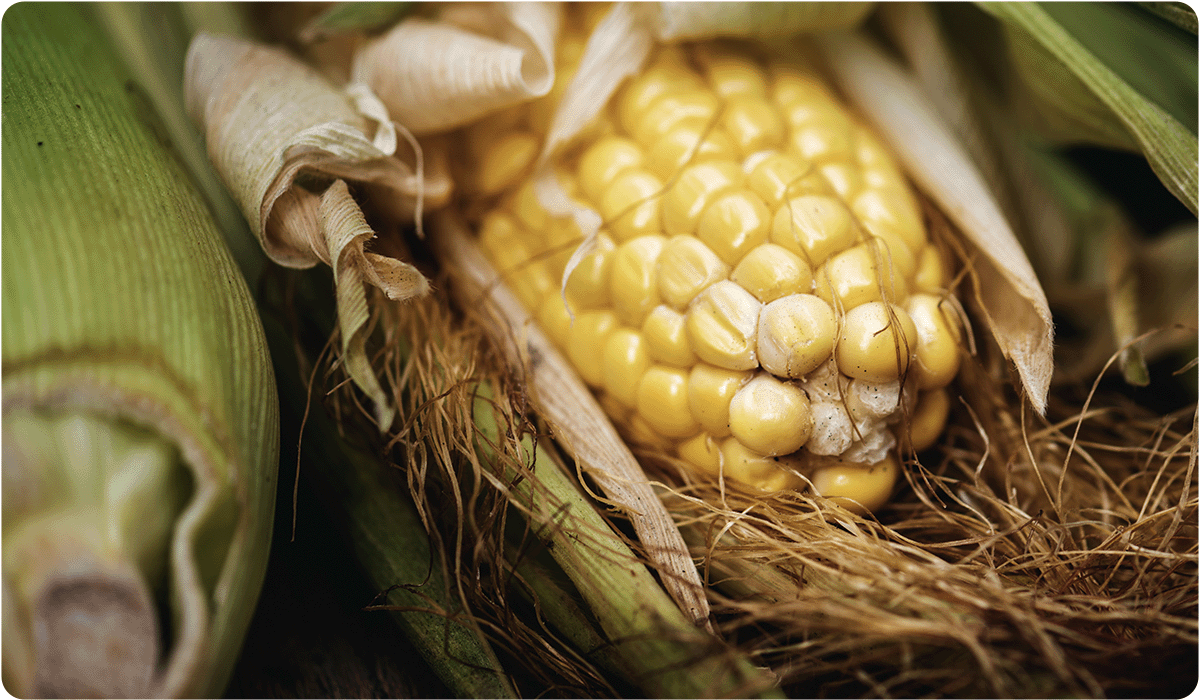
A notable exception to the list of nitrogen-loving leafy greens, corn absolutely devours nitrogen: corn crops can consume up to 190 lbs of nitrogen per acre! Gardening experts recommend that you fertilize corn generously just before planting and after planting, when the sprouts are between 4 and 8 inches, again at 10 inches and a final time just as the corn husks are producing “silk” (the long sticky, stringy bits you remove when shucking corn).
Sweet corn thrives in a sunny, sheltered spot with fertile, well-drained soil enriched with well-rotted organic matter. For optimal pollination, plant sweet corn in blocks rather than single rows. Harvesting occurs approximately 8 to 14 weeks after planting, depending on the variety and growing conditions
Apply by-product as a ratio of about 1:20 (3/4 cup by product for every gallon soil)
Conventional farming typically demands massive applications of synthetic and organic fertilizers on crops, (with devastating environmental consequences). Gardeners have also traditionally been guided to apply similar synthetic products to their household plots. It’s only in recent decades that the focus has been to move away from synthetic franken-fertilizers to organic or natural fertilizers and soil amendments.

Animal waste, such as cow, sheep or chicken manure are naturally rich in nitrogen.
Cover crops, such as alfalfa or clover, are easy-to-manage crops which you can add to your beds after the growing season in preparation for the following year. This type of planting are so good for the soil that they are actually referred to as “green manure,” and can replace nutrients normally lost in bare soil between planting.
Legume companion plants, such as pole beans, are notorious for naturally fixing atmospheric nitrogen in the soil for their own use, but also for the use of neighbouring plants.
Some legumes, like beans, are actually key actors in traditional crop rotation. Legume roots have little bumps which house bacteria called rhizobia; these bacteria can absorb and process atmospheric nitrogen, making the nitrogen available to the plant roots.
Have you ever wondered why farmers will plant corn one year, and soybeans the next? This is to ensure that their nitrogen-hungry corn will reap the benefits of the soybeans’ nitrogen-fixing abilities!
The FoodCycler processes household food waste within hours. The by-product left over from the process adds nutrient-rich organic matter to the soil, with an average NPK of 41-1-1. This means that you can create your own homemade compost alternative from waste materials that would otherwise be sent to the dump!

Compost, or “black gold” is a phenomenal way to incorporate organic matter and natural fertilizer with a balanced NPK to your garden soil.
Nitrogen is essential for strong, healthy growth, especially in leafy greens. Using your FoodCycler™ by-product alongside other natural sources is an easy, eco-friendly way to nourish your soil and enjoy a thriving, nutrient-packed garden.
The FoodCycler® is a countertop electric food waste recycler that breaks down food scraps through a mechanical process into a dry, lightweight by-product that can be used in gardening applications as a fertilizer. The FoodCycler® and other electric food waste recyclers are not composters, nor do they produce compost or soil as they do not require additional microbes to break down food waste with bacteria. However, the term “electric composter” has been used to describe electric food waste recyclers.
**Please note that the NPK and quality of the by-product is dependent on the quality of the food waste processed by the FoodCycler. Foods high in sodium will produce a lower quality by-product which may inhibit plant growth.
We are continuously doing third party analyses of the FoodCycler by-product in our labs, and will continue to update our literature to reflect new information as it comes to light.