Free delivery with device purchase.
Free delivery with device purchase.

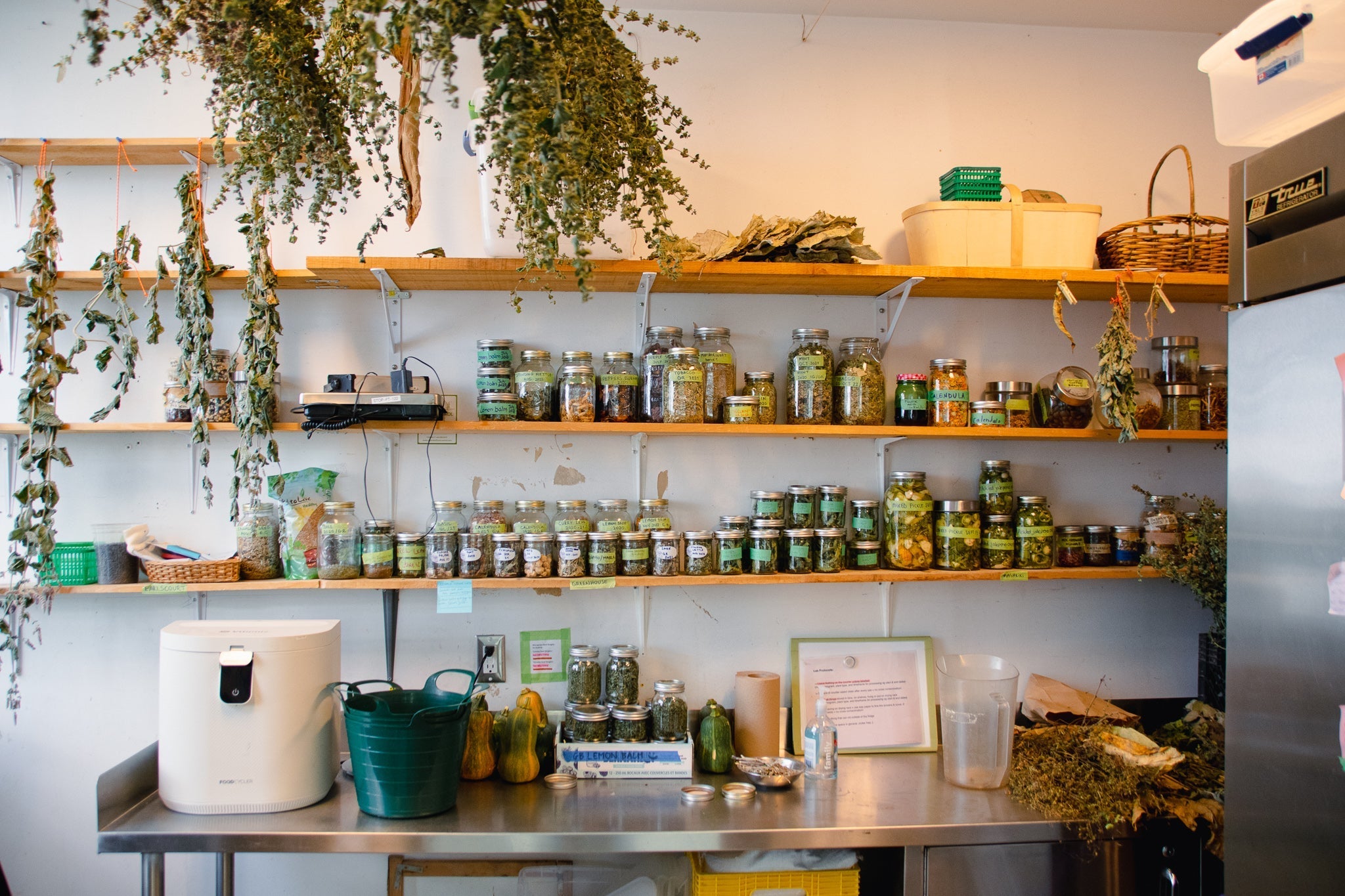
Author: Hilda Nouri Sabzikar, Urban Agriculture Manager, The Stop.
The City of Toronto reports that “more than 99,000 tonnes of food waste (avoidable and unavoidable) is generated annually.” Our goal at the The Stop Community Food Centre is to significantly reduce food waste while generating fresh, healthy and accessible food for our community.
With this goal in mind, The Stop partnered with the FoodCycler to transform food waste into a vital gardening resource.
.jpg)
The Stop believes that recycling food waste and reusing it to grow food is integral to building a sustainable future. The FoodCycler helps with just this; allowing our food scraps and plant matter to be turned into a soil amendment that we use as fertilizer to add to our gardens or compost system to further breakdown and enrich the soil.

The Stop Community Food Centre’s mission is to increase access to healthy food in a manner that maintains dignity, builds health and community and challenges inequality. We do this by offering programs and services that are accessible and culturally appropriate and which respond to food insecurity, social isolation and poverty.

The Stop has 3 sites, which offer a range of food access programs, including:
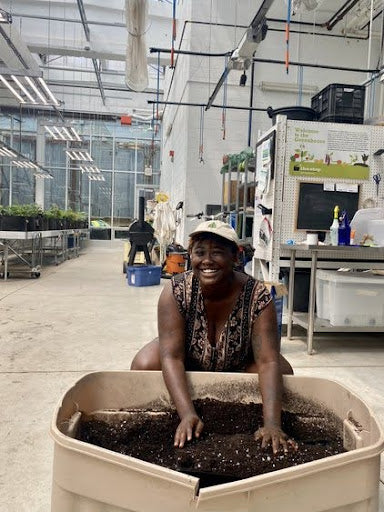
Our Green Barn site, situated at the Wychwood Barns at Christie St. Toronto, ON, is our urban agriculture hub; this is where you will find us putting the FoodCycler to work transforming food waste into soil amendment, which we sow directly into our gardens.
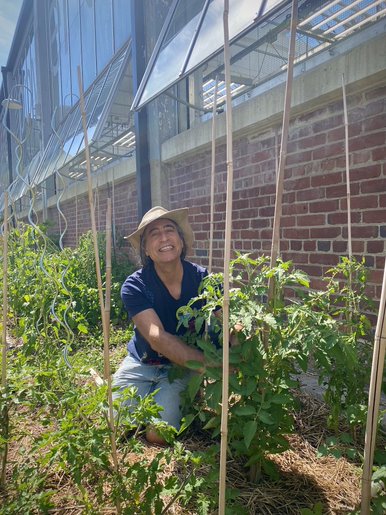
The Green Barn team coordinates with 4 community gardens across the City of Toronto, including the Earlscourt Community Garden, the Mashkikiiaki’ing (Medicine Earth) Garden in partnership with NaMeRes, the Global Roots Seniors Garden in partnership with CultureLink and our Shelter Garden at the Barns.
Additionally, the Green Barn site houses a 8,000 sq. foot greenhouse on-site, where we operate one of the few year-round farmers’ markets in the city!
Every Saturday of the year from 8am-1pm with over 35+ vendors.
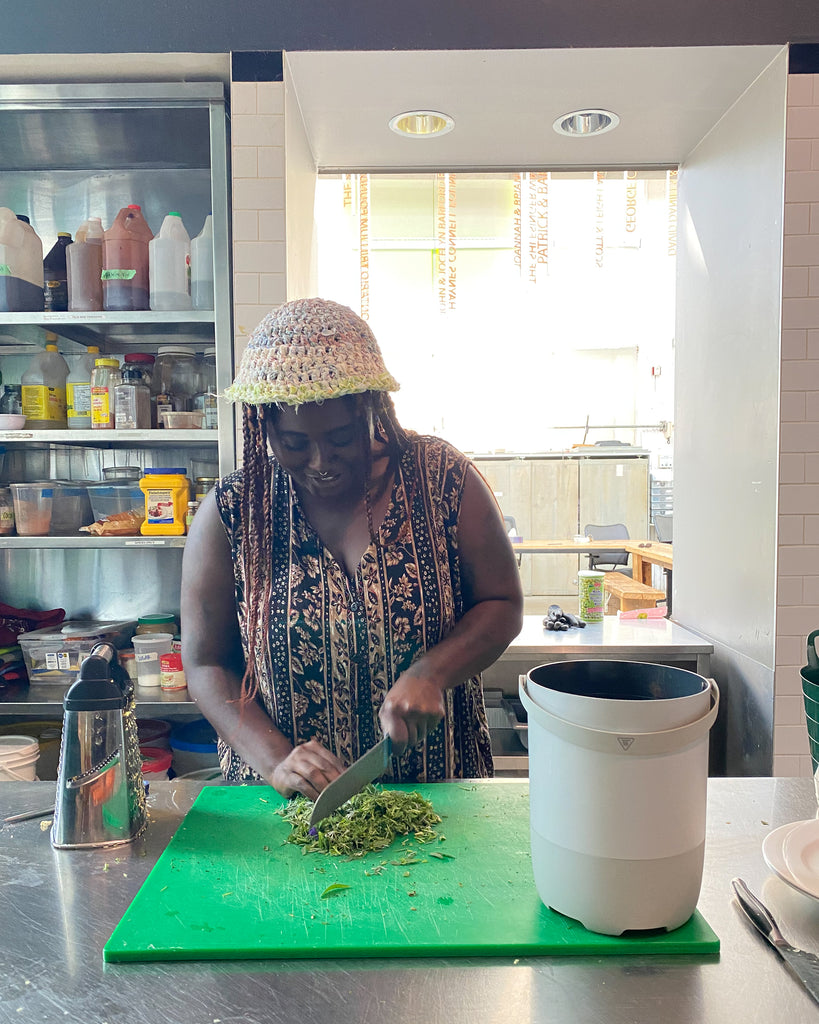
The FoodCycler aligns with our goals at the Green Barn and acts as a symbiotic complement to our existing compost activities. Before we introduced the FoodCycler, we had an outdoor 3-bin compost system as well as 3 worm bins in operation. With the addition of the by-product from the FoodCycler we are able to add an even greater amount of the food scraps generated weekly by our meal programs, kitchen rentals and farmers market right into our compost!
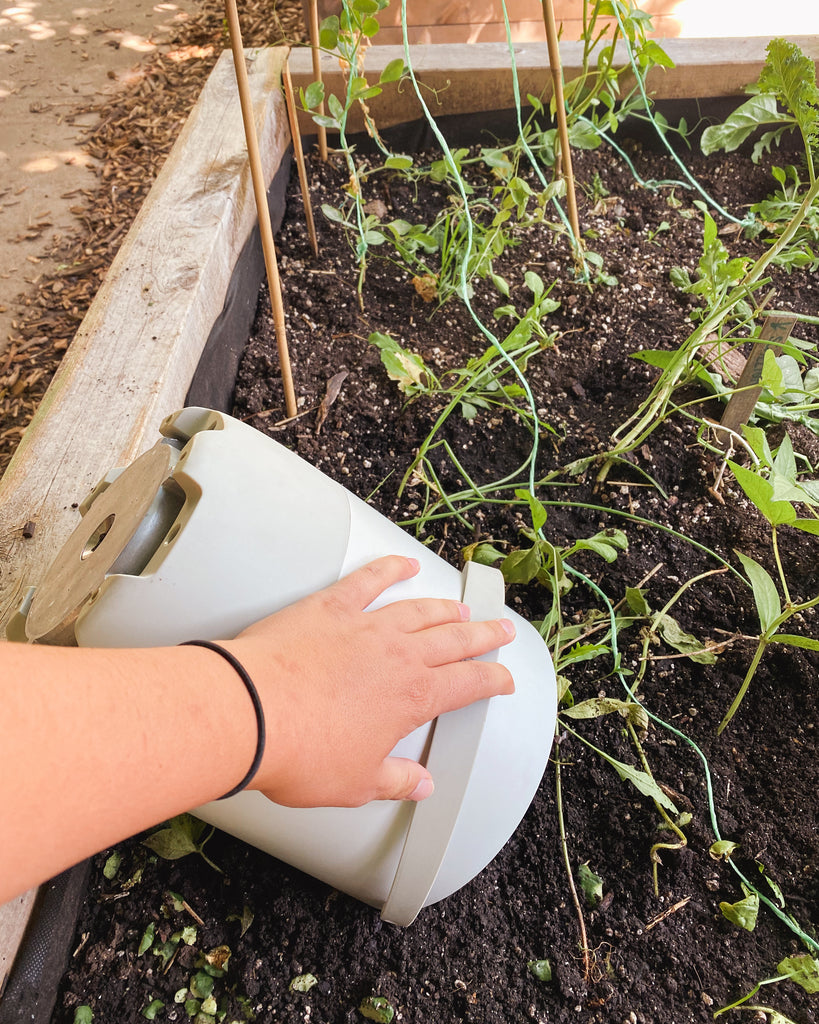
A few times a week, before heading home, our staff empty our green bin’s organic waste straight into the FoodCycler, being careful to remove any dense bones, fatty meat or large rinds before emptying. By the time we come in the next morning, the FoodCycler has done the work to reduce our food waste to one-eighth the size of what it was before!
In the winter, we add the FoodCycler soil amendment into our outdoor compost and in the outdoor growing season we add the contents straight into our gardens after mixing it with soil.
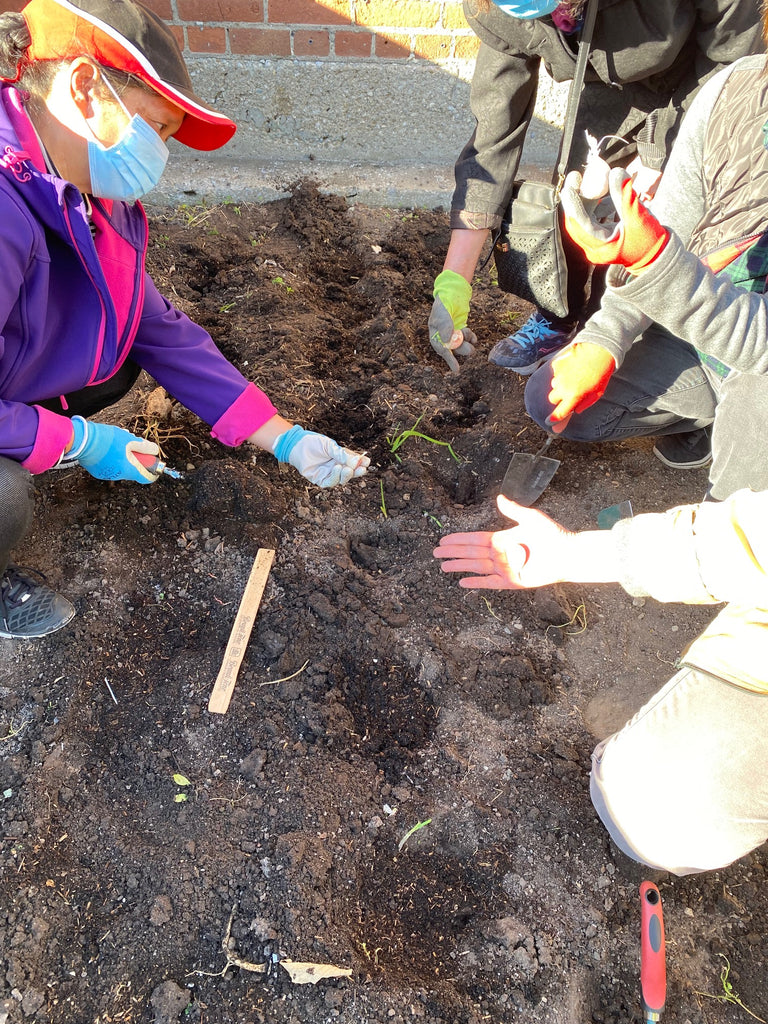
Using the FoodCycler helps to remind us that there are so many ways that food waste can be reused in our food system! This convenient machine makes it easy for us to recycle more of our food scraps. Additionally, the FoodCycler has become an essential tool for us at The Stop, allowing us to observe how innovation can transform food waste to soil amendment, soil amendment to soil, and from soil to even more food!
For more info on donations and how to support visit The Stop!
The FoodCycler® is a countertop electric food waste recycler that breaks down food scraps through a mechanical process into a dry, lightweight by-product that can be used in gardening applications as a fertilizer. The FoodCycler® and other electric food waste recyclers are not composters, nor do they produce compost or soil as they do not require additional microbes to break down food waste with bacteria. However, the term “electric composter” has been used to describe electric food waste recyclers.