Free delivery with device purchase.
Free delivery with device purchase.

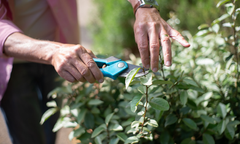
Spring is the most exciting season for green-thumbed gardening enthusiasts, but it’s also the most important. After spending the long winter months huddled by the fire and avoiding the outside world as much as possible, spring marks a fresh new beginning.
In today’s blog, we’re here to share your essential spring gardening checklist. If you manage to check everything off in time, you’ll have a beautiful garden to enjoy all summer long.
Grab your notepad, and let’s get started with some spring gardening ideas.

First up on every gardener’s list is the exciting task of planning exactly what you’re going to plant in the coming season. The weather in early spring is still pretty cold and often rainy too, so this is a great way to spend the days you’re stuck indoors.
Grab a notepad and browse through your favourite catalogues for inspiration. Once you’re all set, it’s time to start shopping! At this time of year, you should be looking out for summer-flowering bulbs and seeds, ideal for preparing blooms that will appear later on in the year. And don’t forget – getting your garden ready for spring is a breeze when you plan ahead

To get your garden in check for the forthcoming season, begin by clearing away dead leaves and any other debris leftover from the windy winter weather. Don’t forget – any natural material can be composted or recycled into nurturing fertilizer for your garden.
You should also clear away any protective winter mulch from perennials and ornamental grasses and cut back dried-up foliage. If you’re an avid gardener, chances are you received a fresh pair of gardening gloves from one of your relatives over the festive season – didn’t we all?! Now’s the time to put them to work to prevent cuts or scrapes from sharp branches and leaves.

If you’re planning on planting a vegetable patch this year, it’s a good idea to start early with hardier, cool-season veggies. This includes artichokes, peas, lettuces and root vegetables like potatoes. This produce germinates best in cool soil, so get them planted once the ground has thawed.
If you manage to time it right, you’ll have a delicious batch of vegetables to enjoy in your early summer salads.

If you didn’t get a chance to prune your trees during the previous winter, now is the time to do so. It’s essential to get all of your trimming done before buds begin to bloom, as this can negatively impact the crop. Get your fruit trees in shape first, then work through your summer-blooming trees and shrubs.
Once you’ve got this task out of the way, you can enjoy a well-maintained garden and await growth with uninterrupted excitement!
Here’s a list of trees and shrubs that require a prune before flowering:
❖ Buddleja (butterfly bush)
❖ Fuchsia (hardy fuchsias)
❖ Hibiscus
❖ Hydrangea paniculata
❖ Spirea japonica

The mild weather of mid-spring provides the perfect conditions for planting perennials that need a little more time to get settled before the heat of summer arrives. If you want to inject a bit of excitement into your outdoor space without waiting for new growth, add some cool-season annuals like snapdragons, petunias or pansies to your beds.
According to Gardeners’ World, here are the key perennials to get planted in April:

Timing is everything when it comes to planting new trees and shrubs. Go in too early, and you’ll risk the ground being too cold for them – go in too late, and they won’t have time to grow new roots before temperatures get too hot. Mid-spring offers the perfect balance, so start planting as soon as the ground isn’t frozen anymore!

Once you’ve finished planting all of your new additions, adding a fresh layer of mulch can provide a few key benefits. As well as stabilizing temperature, mulch can prevent weeds from sprouting to save you time during the summer. Spring gardening is all about preparation – putting in the work now means more time to relax later!

Warm-season vegetables require milder temperatures than the cool-season varieties you planted earlier in the year. Some common examples include beans, corn, cucumbers and peppers, as well as summer squash, pumpkins and sweet potatoes.
Once you’ve got your patch prepared, get all of your beloved ingredients planted and start dreaming about the delicious dishes you’ll be able to enjoy throughout summer and early fall!

Remember that colossal catalogue order you placed back in the early spring? Well, it’s finally time to put it to good use. Late spring is the perfect time to plant your summer-blooming bulbs as the warmer temperatures and dryer weather kick in.
Remember to pay close attention to your beds and your plants as they emerge from the soil. Crops are a prime target for garden pests, so it’s important to watch out for any damage as they grow.

Adding fertilizer to your plants is a great way to ensure they can grow to their full potential, filling your garden with bright blooms all summer long.
If you’re working with a smaller space and don’t have a compost heap, a FoodCycler is an excellent alternative. This small, compact device allows you to recycle your kitchen scraps, producing a nourishing amendment ideal for nurturing your garden.
Organic fertilizer is always a better option than synthetic, store-bought versions, so it’s definitely worth making your own at home.
Getting into the swing of springtime gardening can seem like a daunting task, but the results really are worth it. Once summer comes, you’ll be able to pour yourself a drink, sit out in the sun and watch all of your hard work come to life!
The FoodCycler® is a countertop electric food waste recycler that breaks down food scraps through a mechanical process into a dry, lightweight by-product that can be used in gardening applications as a fertilizer. The FoodCycler® and other electric food waste recyclers are not composters, nor do they produce compost or soil as they do not require additional microbes to break down food waste with bacteria. However, the term “electric composter” has been used to describe electric food waste recyclers.