Free delivery with device purchase.
Free delivery with device purchase.

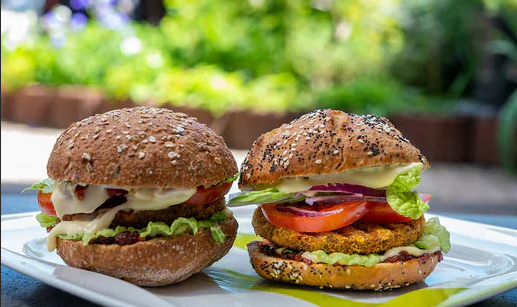
January is a month that marks a new beginning for many of us in various aspects of our lives. Whether you’re starting a fitness journey, learning to be more sustainable or kickstarting a career change, the new year is the perfect time to make it happen.
40% of respondents said that their New Years Resolutions involved “being greener” in 2022
If you’re looking for a way to feel healthier and save the planet in the process, why not give Veganuary a try? In today’s blog, we’re going to tell you everything you need to know about going vegan, including some top tips for making Veganuary a success.
Let’s get started!

Veganuary is a month dedicated to experimenting with a vegan diet, encouraged in the form of a 31-day challenge. Kickstarted by a non-profit organization, the experience is designed to create community, raise awareness for veganism and support people on their plant-based journeys.
The main aim of Veganuary is to eat a completely vegan diet for the entire 31 days of January, avoiding animal products such as meat and dairy.
What Are the Benefits of a Vegan Diet?
Before we share our top tips for succeeding at your Veganuary challenge, let’s take a look at some of the key benefits of eating a vegan diet.

If you’re hoping to begin the new year with a healthier lifestyle, going vegan is a great solution. Plant-based diets are often based on large amounts of fruits, vegetables and wholesome beans and pulses – all incredibly good for your health. According to Healthline, a vegan diet has the potential to:

Another BIG reason so many people are turning to veganism is its immensely positive impact on the planet. With a food waste crisis and global warming looming, it’s never been more important to assess our individual carbon footprint, and diet is one of the significant contributors. Meat accounts for nearly 60% of all greenhouse gas emissions caused by food production, so cutting it out altogether would have a major impact.

While many people opt for a vegan lifestyle to protect their own bodies, many choose veganism to save the lives of exploited animals instead. 25 million farm animals are slaughtered every day in the US, an unnecessary amount, according to vegan activists. By going plant-based, you can absolve yourself of any guilt caused by this practice.
Top Tips to Succeed at Your Veganuary Challenge
Now we’ve established why you should try the vegan lifestyle, let’s figure out how to make it happen.

While the critical aim of Veganuary is to go completely vegan, you shouldn’t pile on any unnecessary pressure. At the end of the day, any reduction in your meat or dairy intake will benefit your health, the animals and the planet, so go at a pace that suits you.
If you’re not ready to go cold-turkey, why not try:

The key to any successful diet change is practical planning. At the start of each week (or before you do your weekly shop), create a list of all the meals you plan to eat. Research new recipes, figure out what snacks you’re going to enjoy and only buy what you need. Once your fridge is stocked up with plenty of plant-based goodness, you’ll have no excuses to revert to your old way of life.
One of the great things about vegan food is that it often lasts much longer than meat or dairy-infused meals. If you whip up a large batch of vegetable curry on a Sunday, you can divide it up, freeze each portion and enjoy it throughout the week! To take your sustainability to the next level, recycle all of your scraps in a FoodCycler, the compost alternative device designed for convenient and odor-free use.

While veganism is a great way to feel your best, the transition can be a little confusing for your body. Meat provides a lot of protein, so cutting it out entirely without introducing some staple alternatives could leave you feeling out of whack.
The Vegan Society offers plenty of tips for getting all of the nutrients you need to keep you feeling energized, satisfied and healthy.

As of December 2023, it’s predicted that around 88 million people worldwide adhere to a plant-based diet. As the numbers increase year on year, both local and large shops are meeting demands with delicious vegan alternatives. Whether you’re searching for meat-like burgers, milky ice-creams or a healthier version of your go-to takeout, you’re guaranteed to find a vegan alternative to suit.
That’s everything you need to know about going vegan for Veganuary! Changing your lifestyle can seem like a daunting task, especially if you’ve been living by the same habits for your entire life. Any change can positively impact the planet – let’s pull together and stop climate change together.
For more articles on the food waste crisis, sustainability tips and more, visit the FoodCycler blog today.
The FoodCycler® is a countertop electric food waste recycler that breaks down food scraps through a mechanical process into a dry, lightweight by-product that can be used in gardening applications as a fertilizer. The FoodCycler® and other electric food waste recyclers are not composters, nor do they produce compost or soil as they do not require additional microbes to break down food waste with bacteria. However, the term “electric composter” has been used to describe the electric food waste recyclers.